


LOGIN
JOIN

No more hollow, puffy under-eyes or dark circles!
Look younger with bright, smooth eyes!
MIHO Signature Lower Eyelid Surgery

Results may vary depending on individual symptoms, condition and surgical method.
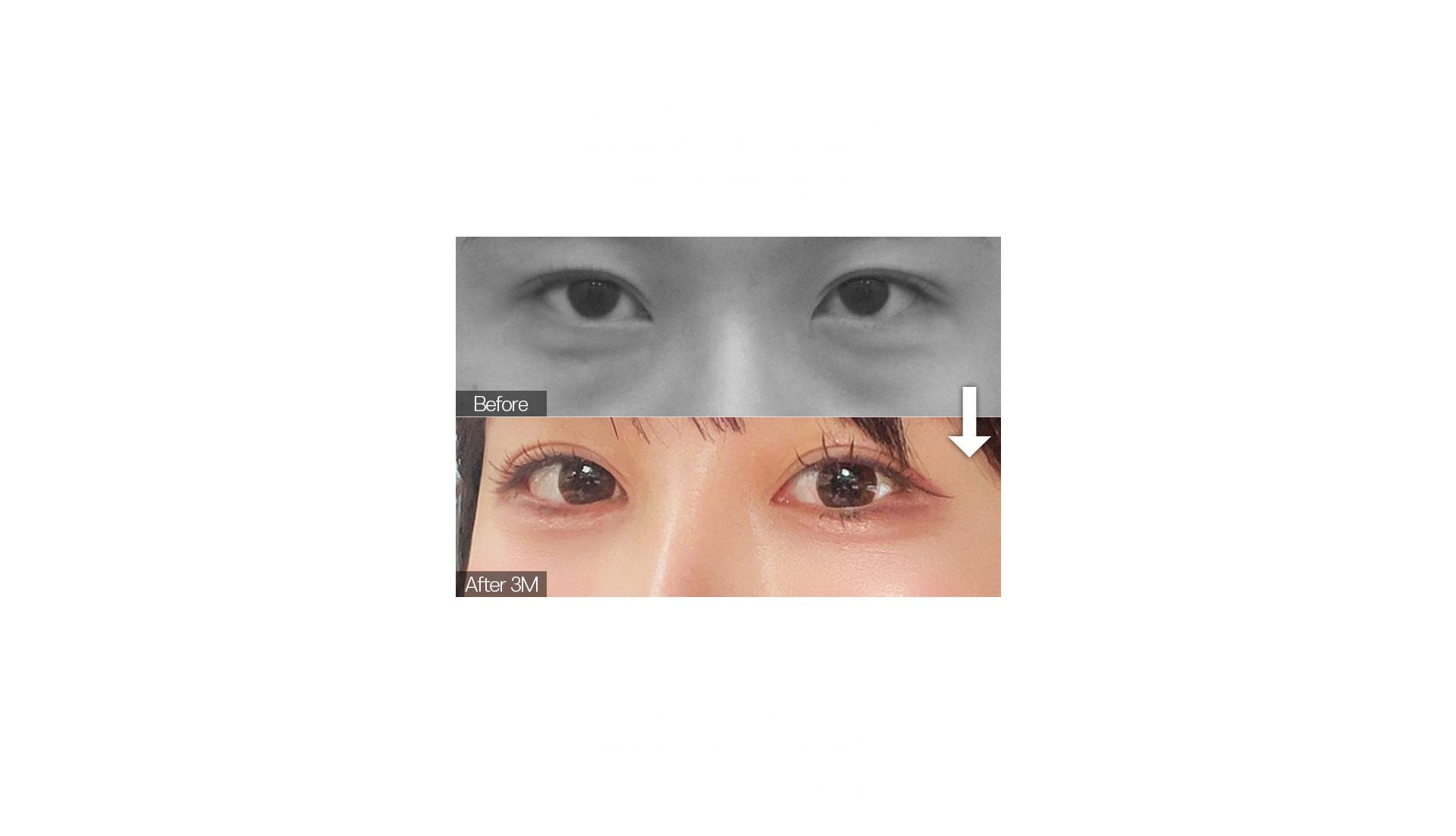
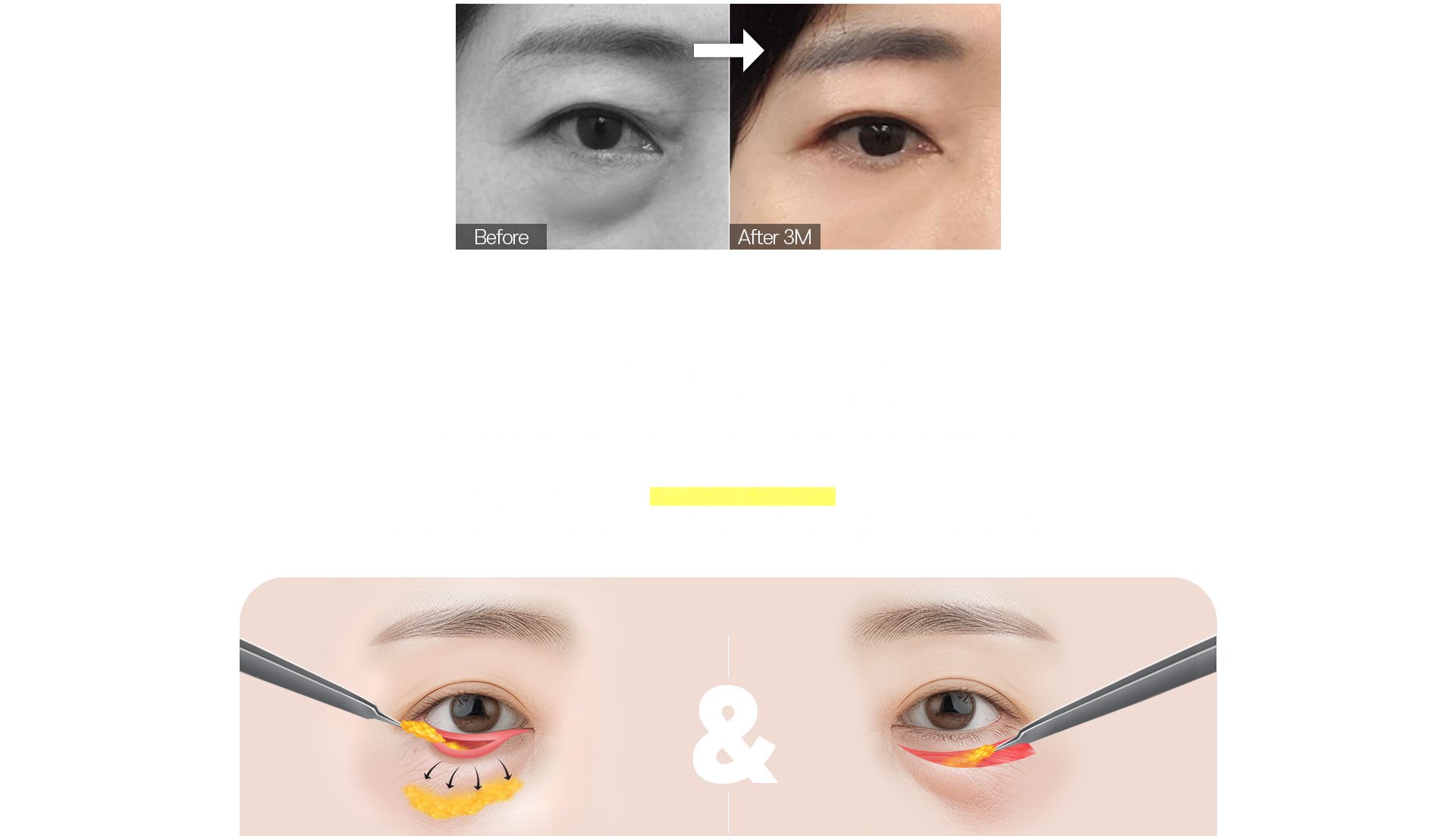

What is under-eye fat repositioning?
Dark circle improvement commonly done for younger people
What is lower blepharoplasty?
Surgery to improve under-eye sagging and puffiness in middle age
MIHO Signature Lower Eyelid Surgery
As the under-eye ages, shadows and contours form on the skin, making you look tired and older.
Under-eye surgery is commonly divided into two types—under-eye fat repositioning and lower blepharoplasty—
but because each patient's under-eye aging is different, the surgery must also be tailored accordingly.
#UnderEyeFatRepositioning
#LowerBlepharoplasty
At MIHO Plastic Surgery, we analyze each person's under-eye tissue layer by layer,
then perform combined treatment with the procedures or surgeries each layer needs.
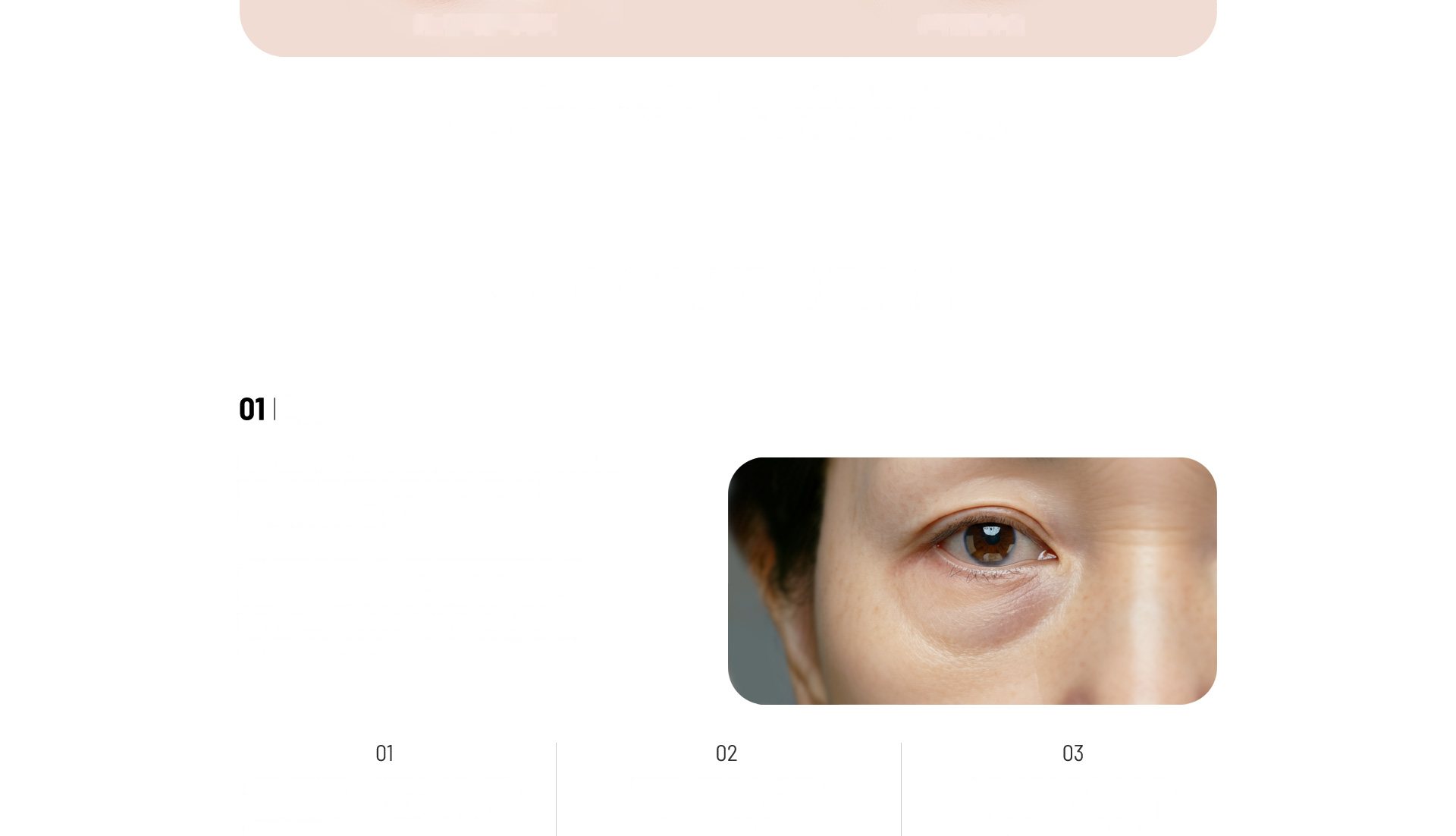
Causes of under-eye aging (dark circles)
Skin
As aging progresses, the under-eye skin thins and loses elasticity.
As a result, the color of capillaries beneath the skin shows through,
sometimes causing dark circles.
And as its bond with the underlying tissue loosens, it sags downward
under gravity and folds at the ligament,
creating contours that can worsen dark circles.
Continuous action of the orbicularis oculi muscle can also cause fine lines.
For dark circles with no protruding fat and darker skin color,
nano fat grafting and
fat repositioning reinforce the layer beneath the skin,
improving capillary show-through
to ease dark circles.
Thin skin with fine lines
can be improved with skin Botox and skin boosters,
reducing fine lines and making
the skin layer fuller.
If skin sagging isn't severe,
elasticity can be restored with thread lifts,
radiofrequency lifting
or ultrasound lifting.
If in middle age the skin loses elasticity and stretches, leaving excess skin,
part of it can be removed through lower blepharoplasty.
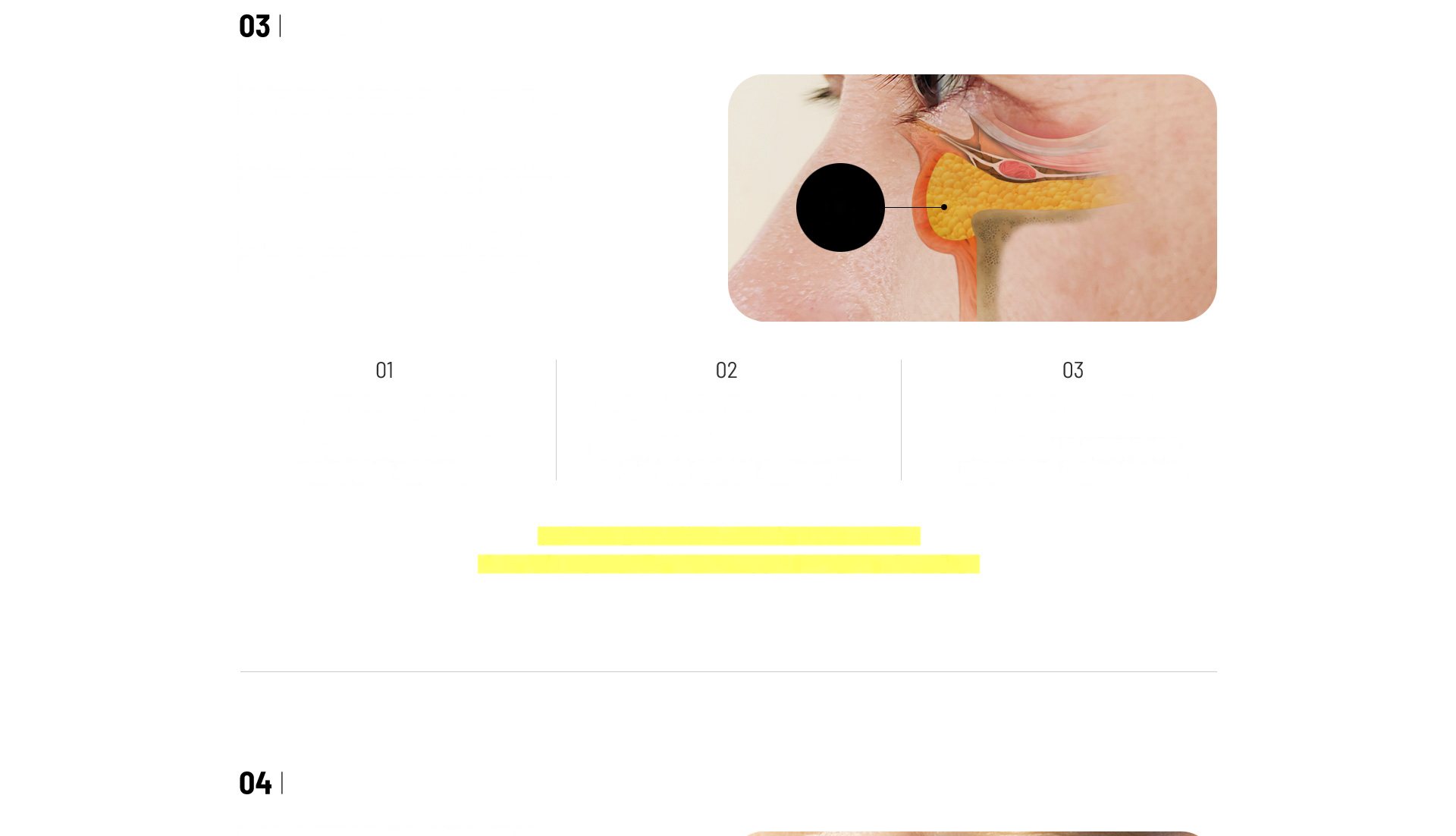
Orbital septum
As aging progresses, the septum surrounding the orbital fat weakens and loosens.
The orbital fat then protrudes through the loosened septum, creating contours,
and shadows form below, producing dark circles.
Strengthening and tightening this loosened septum returns the orbital fat to its place,
flattening the protrusion and even improving the shadow beneath.
Orbital septum
Orbital fat
Orbital fat only looks divided into upper and lower from outside;
inside the orbit, upper and lower are connected in one space.
The septum, the pouch around the orbital fat, loosens with age,
and the fat protrudes through it, creating contours.
Orbital fat also loses volume with age,
which can cause hollowing of the upper and lower eyelids.
Orbital
fat
If orbital fat volume is high and simply
protrudes through the stretched septum,
making the under-eye look puffy,
fat removal is performed.
If, besides protruding, there's a deep shadow beneath
and tear trough deformity, the orbital fat
is taken out of the septum to fill the hollow—
under-eye fat repositioning is performed.
If a lack of orbital fat volume makes
the lower eyelid look sunken below the orbital rim,
nano fat grafting or
filler can add volume.
At MIHO Plastic Surgery, we comprehensively analyze the volume and sagging of orbital fat
together with the eyelid condition before handling the orbital fat.
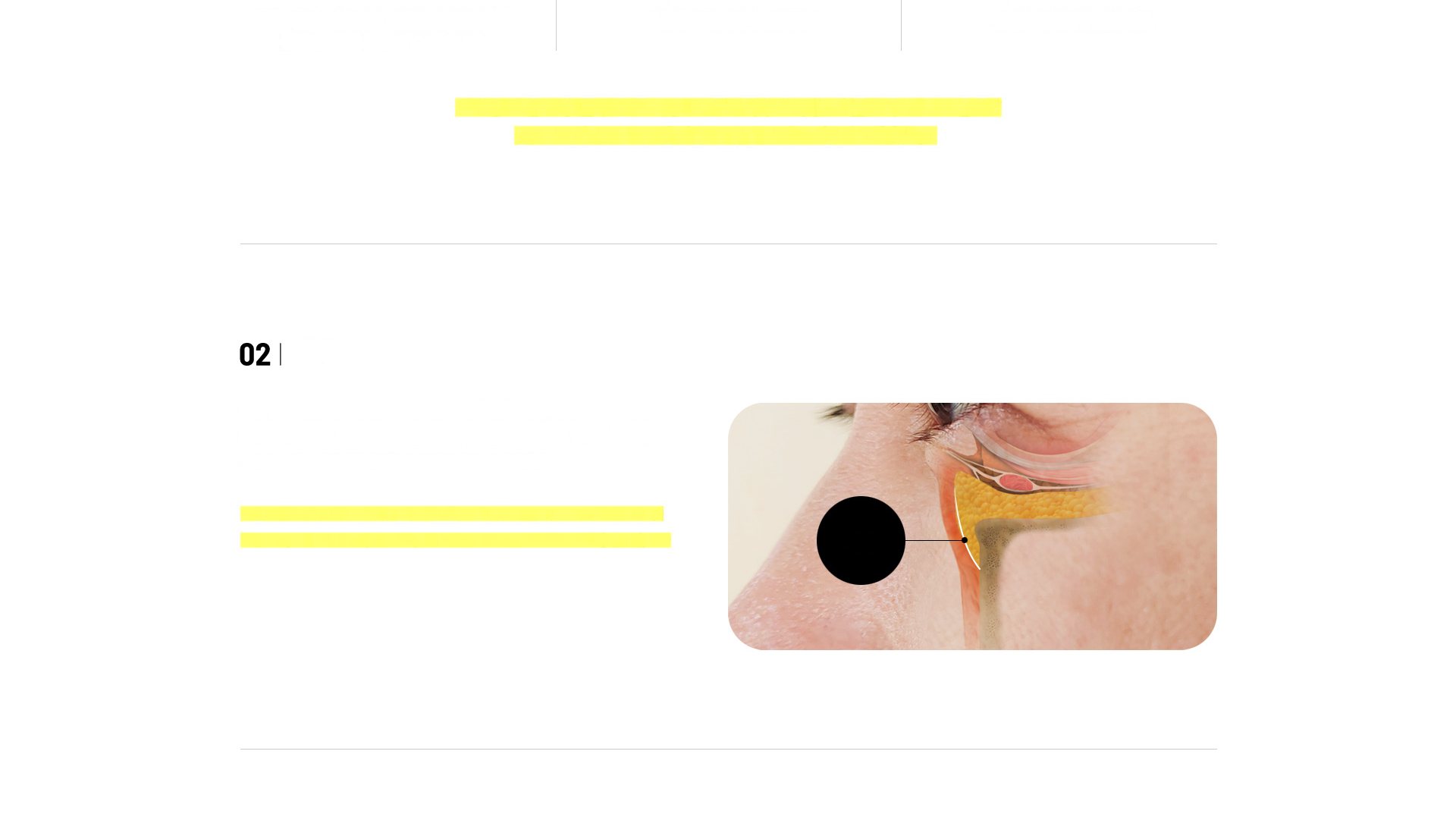
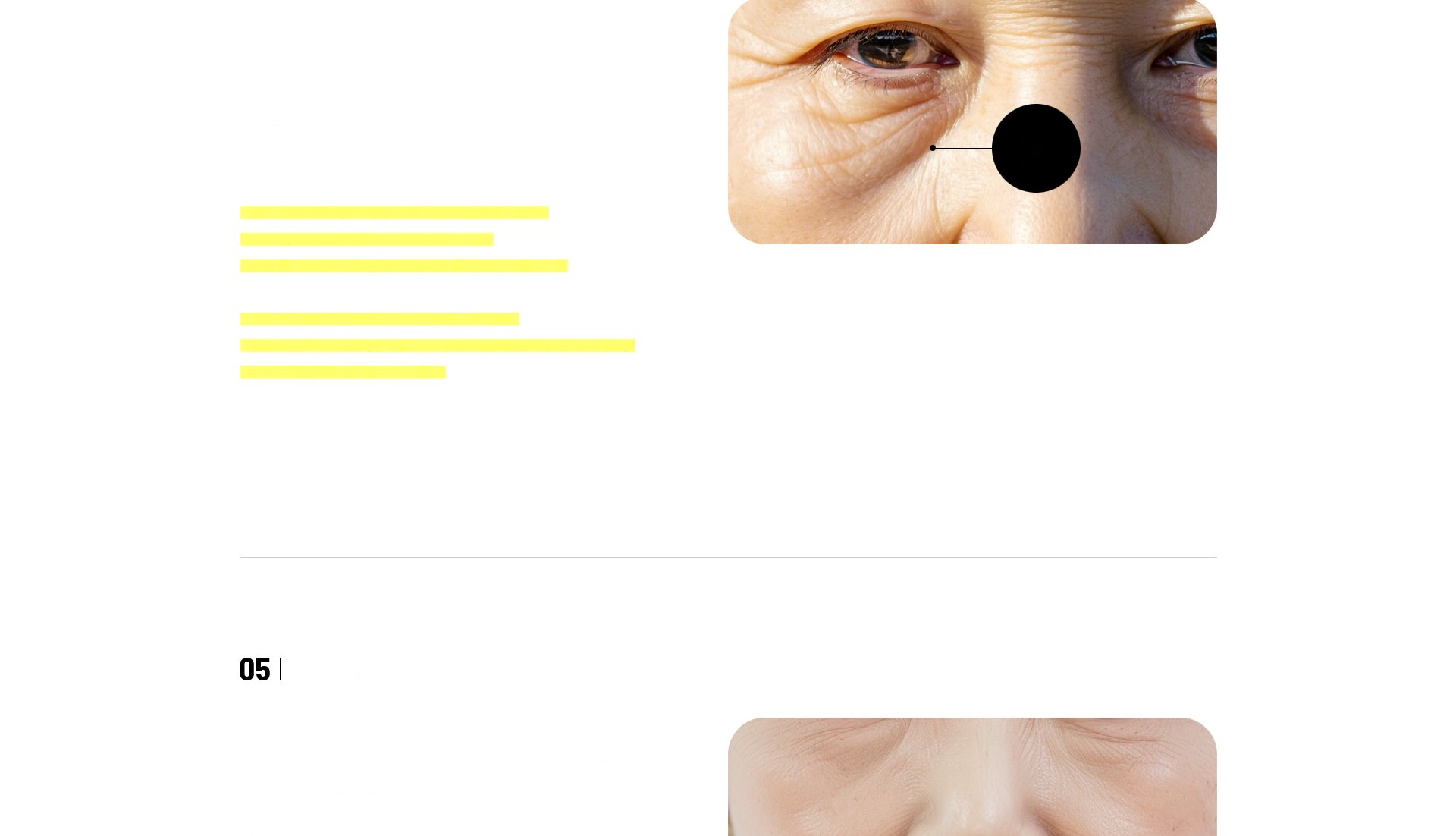
Ligament
The tear trough ligament lies in the lower inner area of the under-eye.
It connects directly from bone to skin,
supporting the skin so it doesn't sag.
With aging, areas other than the ligament loosen, bulge or sag,
while the ligament attachment stays firmly fixed,
causing tear trough deformity that makes the trough look even more sunken.
For those with adequate fat volume and a well-maintained septum
but only tear trough deformity, micro fat grafting
or filler can add volume to improve the hollow.
If fat protrusion is prominent and tear trough deformity severe,
the tear trough ligament must be released and orbital fat inserted there
in a repositioning surgery.
At MIHO Plastic Surgery, we analyze the tear trough and surrounding tissue
to plan treatment or surgery.
Tear
trough
Maxilla and midface soft tissue
Though not directly related to under-eye aging, the development of the maxilla and
midface soft tissue can make under-eye aging look more prominent.
If the maxilla is underdeveloped or the front cheek lacks soft-tissue volume,
even slight under-eye aging can look more prominent
due to the height difference with the front cheek.
For younger patients lacking volume, fat grafting or filler can add volume to the front cheek,
reducing the height difference with the under-eye to improve dark circles.
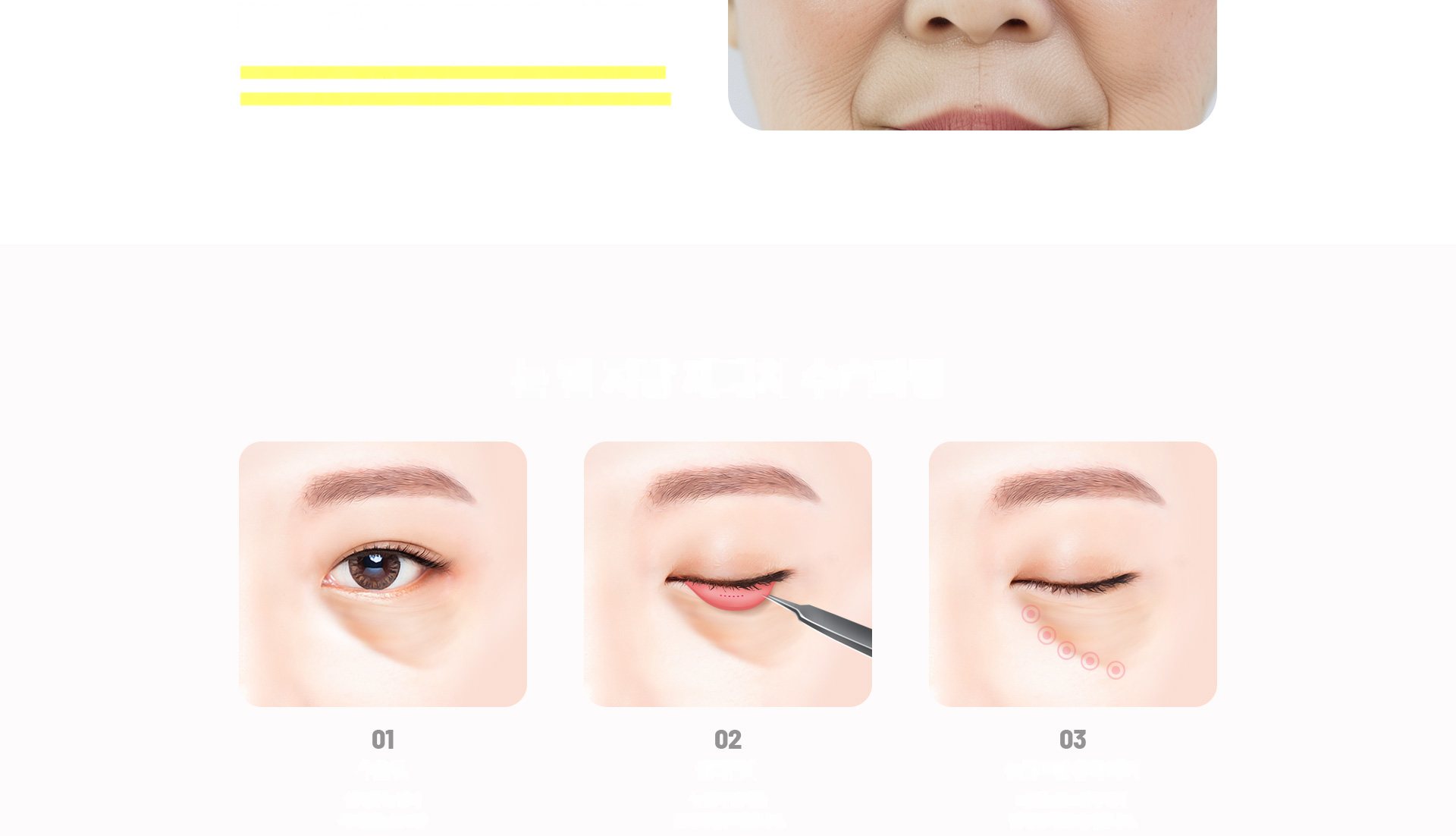
Under-eye fat repositioning procedure
Before surgery
Puffy under-eye and
deep tear trough
Conjunctival incision
The inner conjunctiva
is precisely incised.
Release tear trough adhesion
Ligament adhesion at the
sunken tear trough is released.
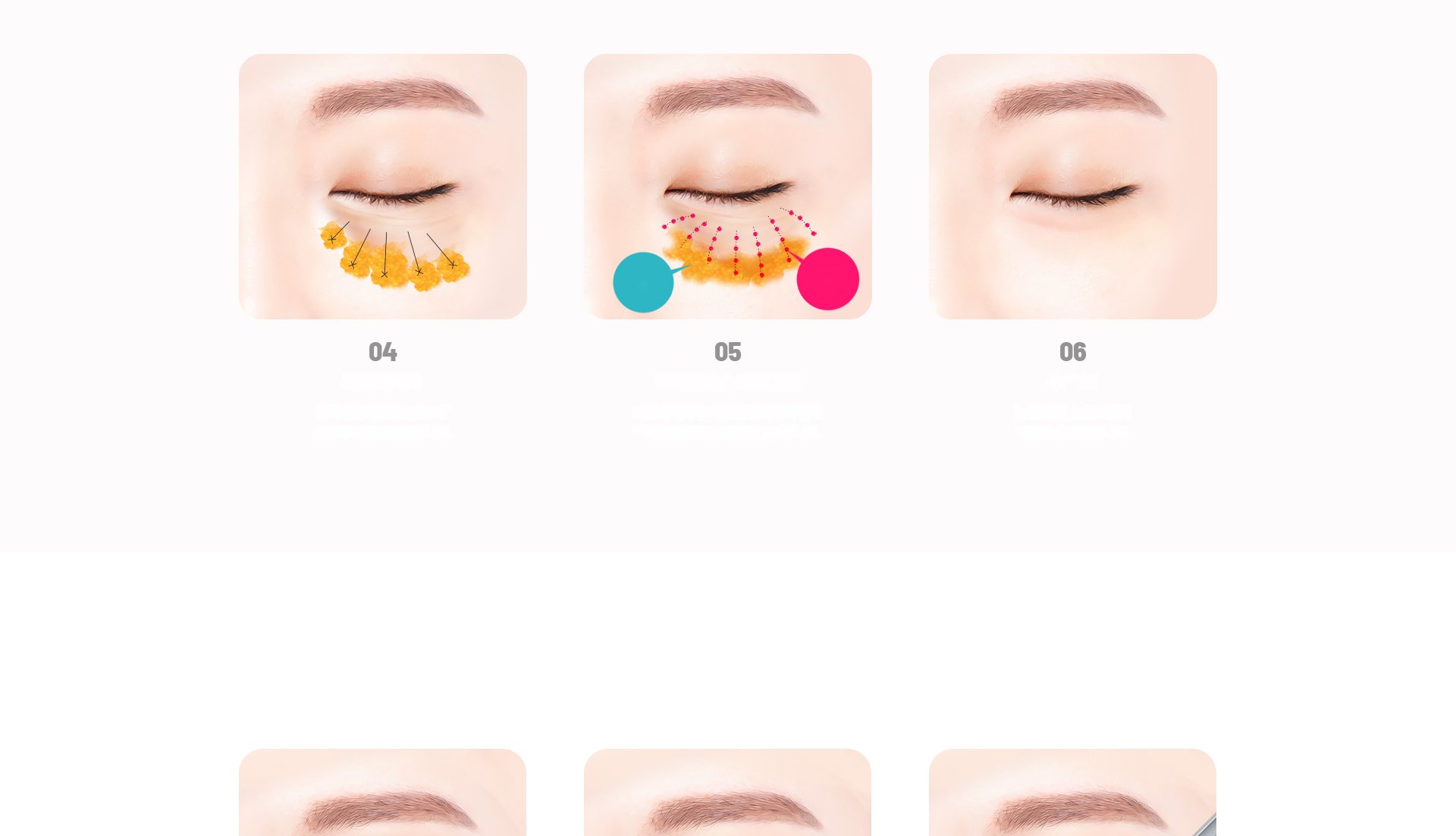
Fat repositioning
Protruding fat is repositioned
into the sunken tear trough.
Septum strengthening & fat fixation
After repositioning, the septum is strengthened
and fat fixed to prevent recurrence.
After surgery
Under-eye fat and tear trough
are neatly corrected.
Fat
fixation
Septum
strengthening
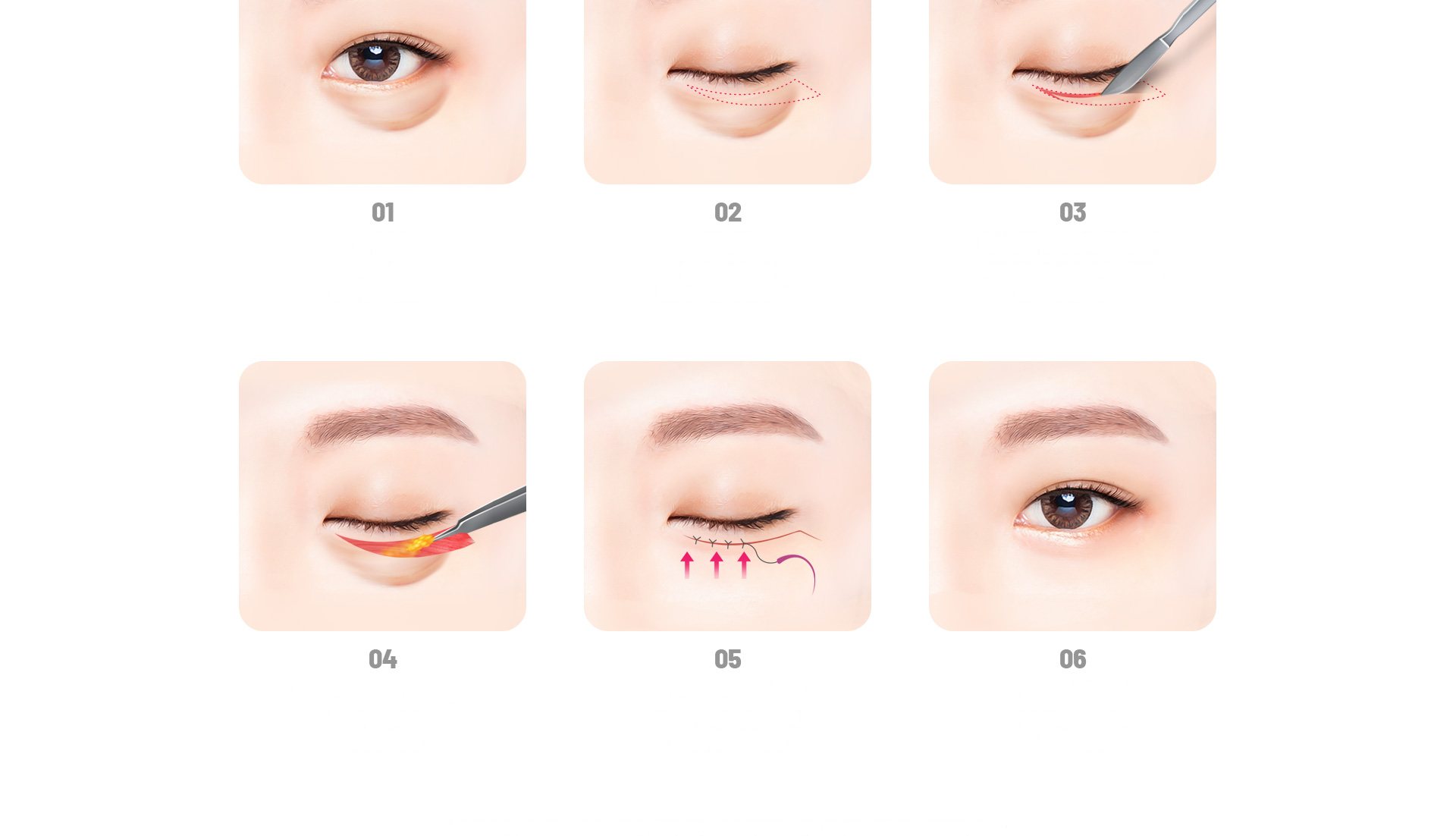
Lower blepharoplasty procedure
Before surgery
Wrinkled,
puffy under-eye
Design
The incision is designed
to match the under-eye symptoms.
Minimal incision just below the lashes
Following the design, a delicate incision
is made just below the lashes.
Under-eye fat removal and repositioning
Under-eye fat is removed
and repositioned.
Skin pulled up and finely sutured
The skin is pulled upward and
finely sutured with thin thread.
After lower blepharoplasty
The wrinkled, puffy under-eye
is corrected.
When aging is advanced, it's not just a matter of orbital fat and septum; the skin, orbicularis muscle, lower lid tension
and midface soft tissue also deform, so surgery that addresses these together is needed.
This is called lower blepharoplasty; since midface sagging usually occurs
along with under-eye aging, it is often combined with a midface lift.
Through an incision just below the lower lashes, orbital fat is repositioned and the septum strengthened, then excess skin is removed
and lower lid tension reinforced—surgery that improves a tired, older look
from prominent under-eye wrinkles, fat and severe dark circles due to aging.
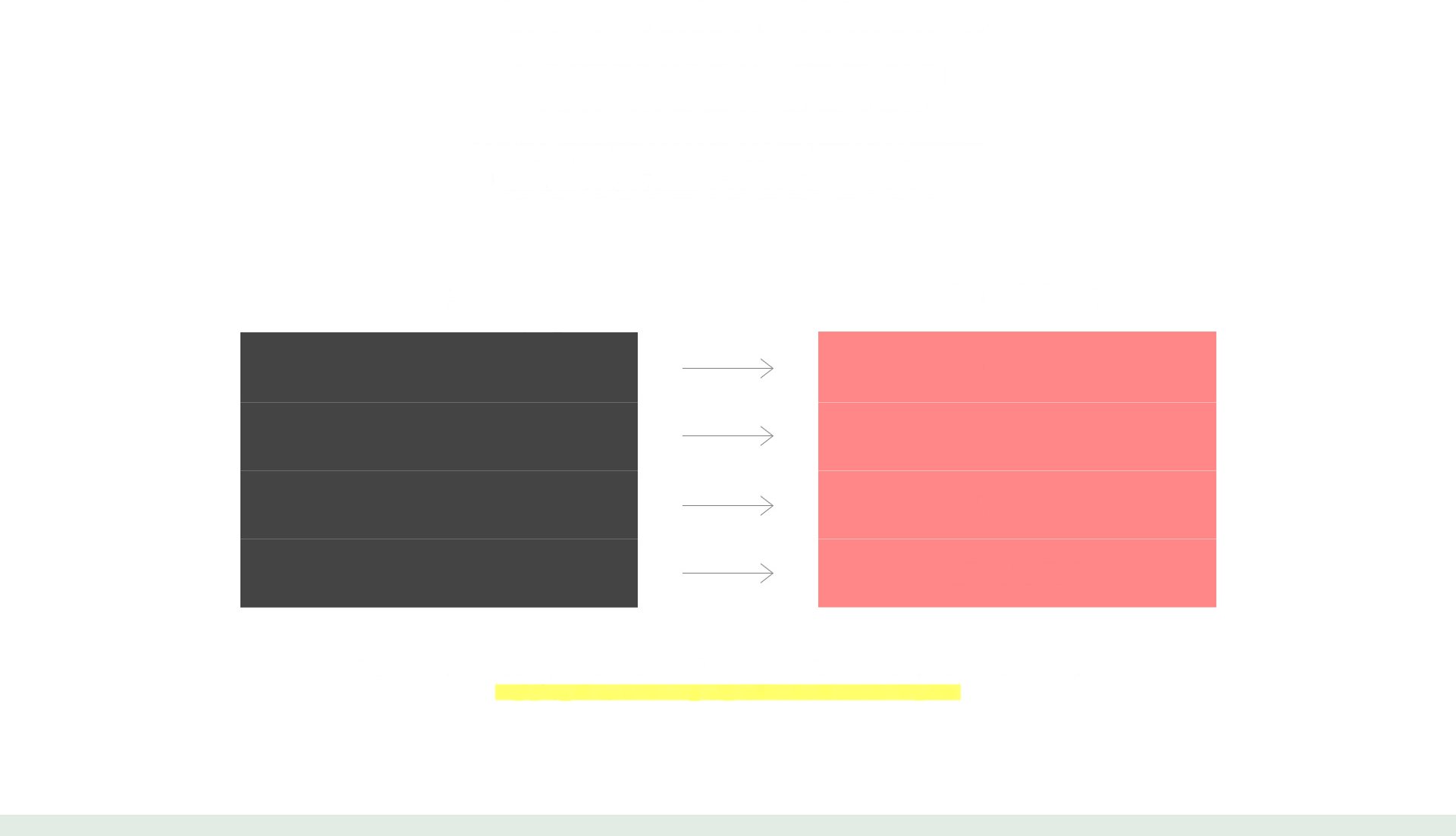
Correction needed
MIHO lower blepharoplasty
Excess skin
Loose muscle
Reduced lower lid tension
Midface sagging & mid-cheek groove
Skin excision
Orbicularis suspension
Canthopexy
Ligament release & midface lift
The process of releasing the tear trough ligament, repositioning orbital fat into that space and strengthening the septum is nearly the same as under-eye fat repositioning, but
in lower blepharoplasty, these steps are applied to suit each person's characteristics.
Dull, saggy under-eyes made bright and smooth!
Features of MIHO under-eye surgery
Fat removal, repositioning and grafting
tailored to each person's eye shape
Incision through the inner conjunctiva
leaves little scarring
Minimal incision means less bruising and swelling
and no visible scars
Under-eye fat is repositioned appropriately
while preserving your existing look and aegyo-sal (eye smile)
for natural-looking eyes
Under-eye surgery methods by type
Fine lines in the skin
Fraxel laser
Skin Botox
Skin booster
Thread lift
Loss of skin elasticity
Ultrasound / RF lifting
Thread lift
Skin booster
Improving skin shadows
Nano fat grafting
Toning laser
Hollowing from
lack of fat volume
Nano fat grafting
Filler
Volume thread lift
Simple fat protrusion
Fat removal
Septum strengthening
Fat protrusion and tear trough deformity
Tear trough ligament release
Fat repositioning
Septum strengthening
Maxillary underdevelopment and
lack of front cheek volume
Nano fat grafting
Filler
Volume thread lift
Excess skin and mid-cheek groove
Lower blepharoplasty
Midface lift

MIHO Anti-Aging Surgery
Pre- & Post-op Precautions
Before surgery
After surgery
Please be sure to tell us in advance about any adverse drug reactions, known medical conditions
or history of general anesthesia. (high blood pressure, diabetes, lung disease, heart disease, hepatitis, etc.)
Stop alcohol, smoking and all forms of medication from 1 week before surgery.
If you take any medication, please let us know in advance. (aspirin, diet pills, red ginseng, sleeping pills, etc.)
Depending on the anesthesia, do not eat or drink anything, including water,
for 6 hours before surgery (8 hours for general anesthesia).
On the day of surgery, wear comfortable clothes and bring a hat,
scarf or sunglasses to protect the treated area.
If you need to take blood pressure or diabetes medication, please tell your coordinator or doctor.
Keeping the treated area 20–30 degrees higher than the heart helps swelling subside.
Please avoid spicy or greasy food.
Apply cold compresses for about 3–5 days after surgery,
then warm compresses until the swelling goes down.
Be careful not to cry, rub your eyes or squeeze them shut.
Smoking and drinking slow recovery. Please abstain for at least 4 weeks.
MIHO Safe Surgery System
We don't just pursue aesthetic beauty;
we consider each patient's facial features and function.
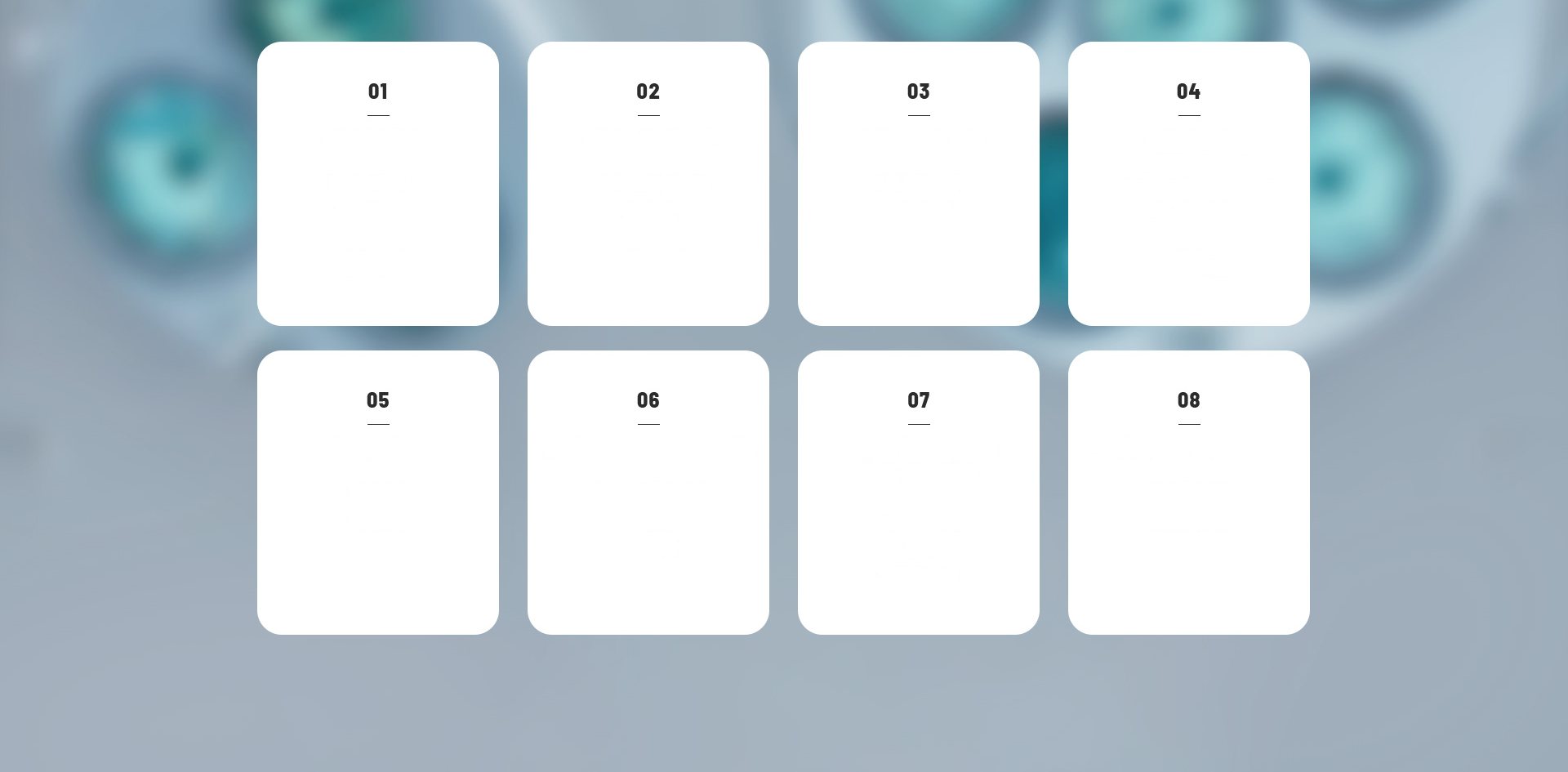
Real-time monitoring
A central monitoring system
observes the patient's vital signs
in real time during surgery
Operating room CCTV
CCTV in the operating room
increases transparency of the surgery
and enables emergency response
Surgeon accountability
Specialists in each field
provide dedicated 1:1 care
from consultation to post-op recovery
Resident anesthesiologist
A systematic anesthesia system
and an on-site anesthesiologist
for safe, hygienic surgery
Accurate diagnosis & safety
Safe surgical planning and
accurate assessment of issues and
improvements for higher satisfaction
Thorough aftercare
Aftercare kit provided and
partnership with Seoul St. Mary's Hospital
for rapid response to emergencies
Before & After |
||||||||||||||||||||||||||||||
|
||||||||||||||||||||||||||||||
|
|
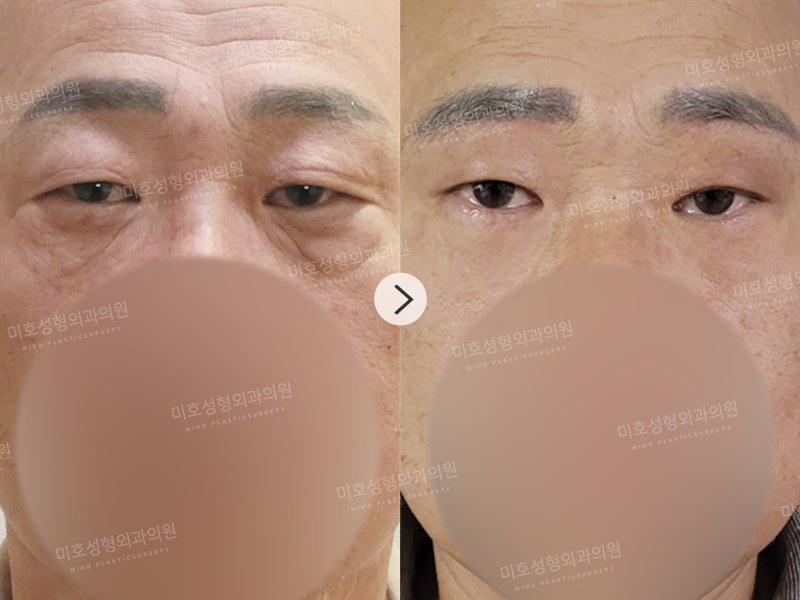
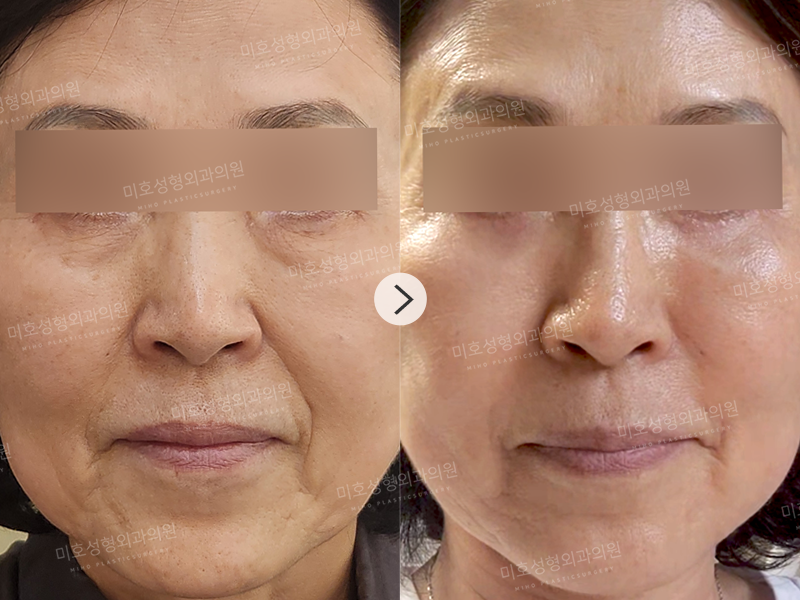
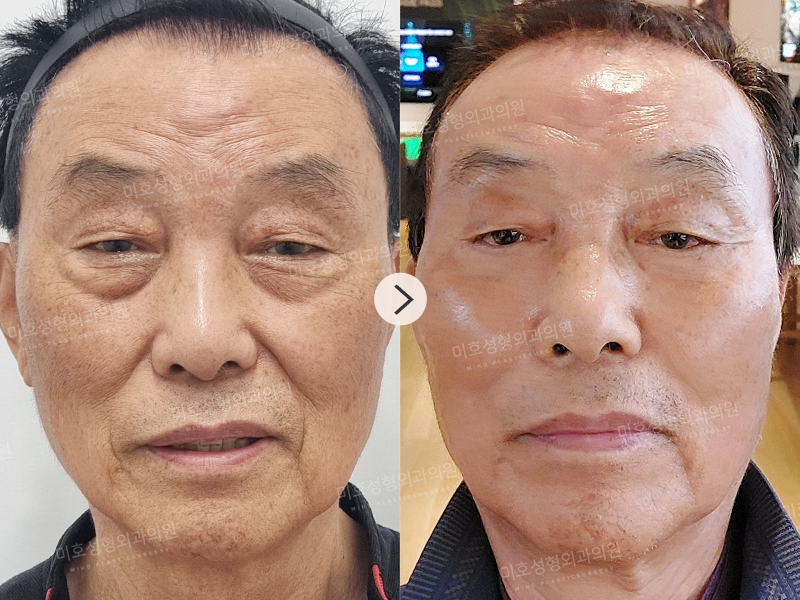
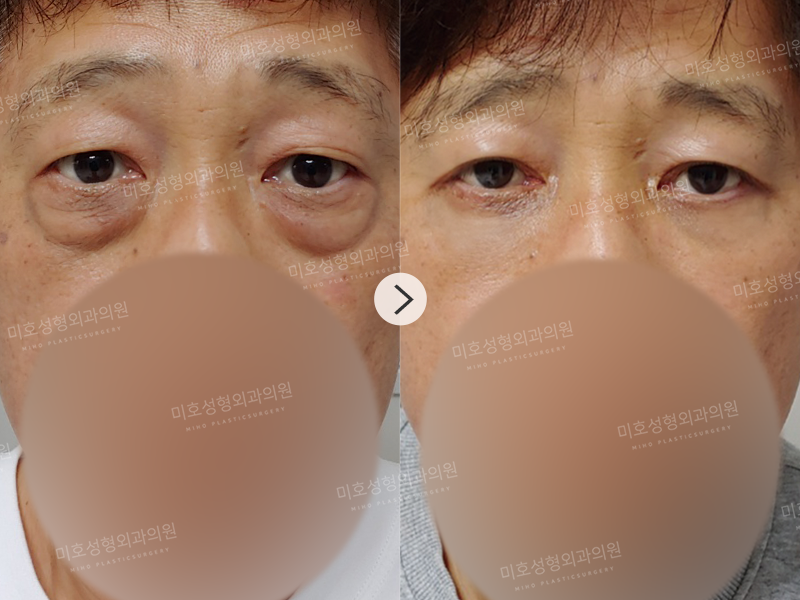
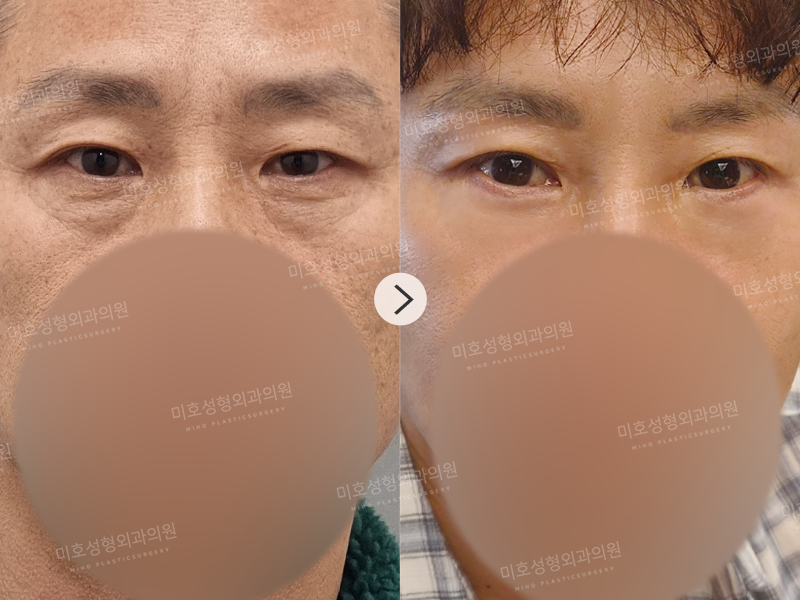
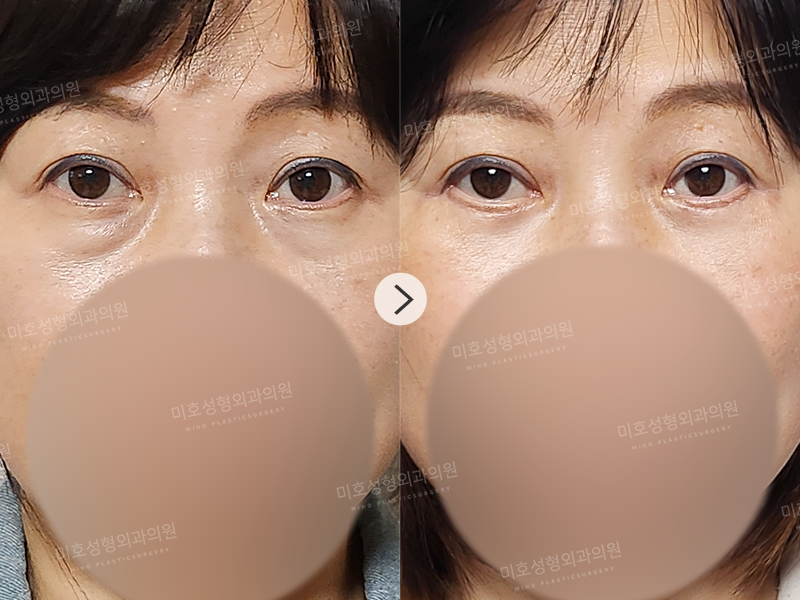
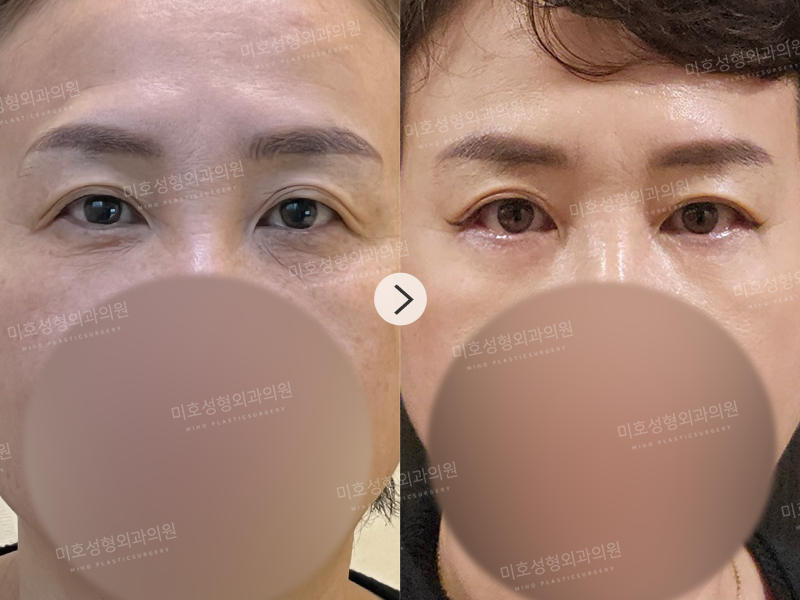
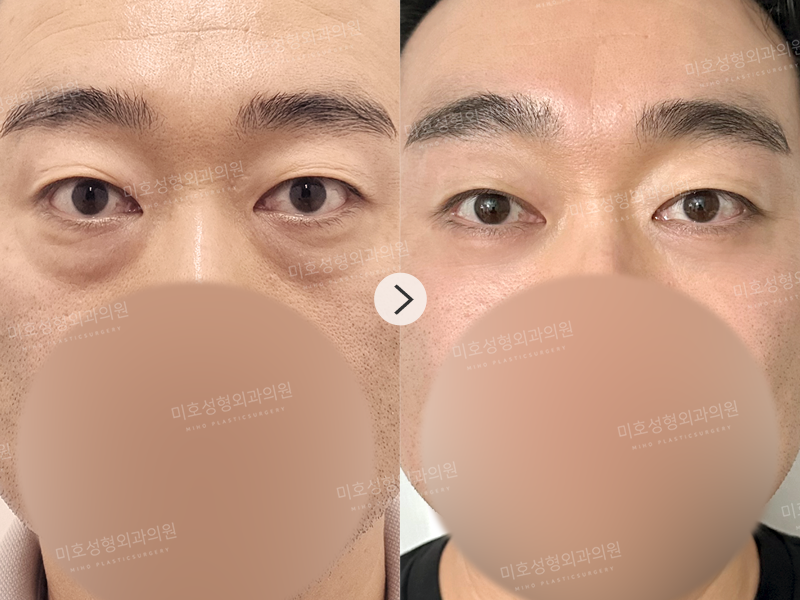
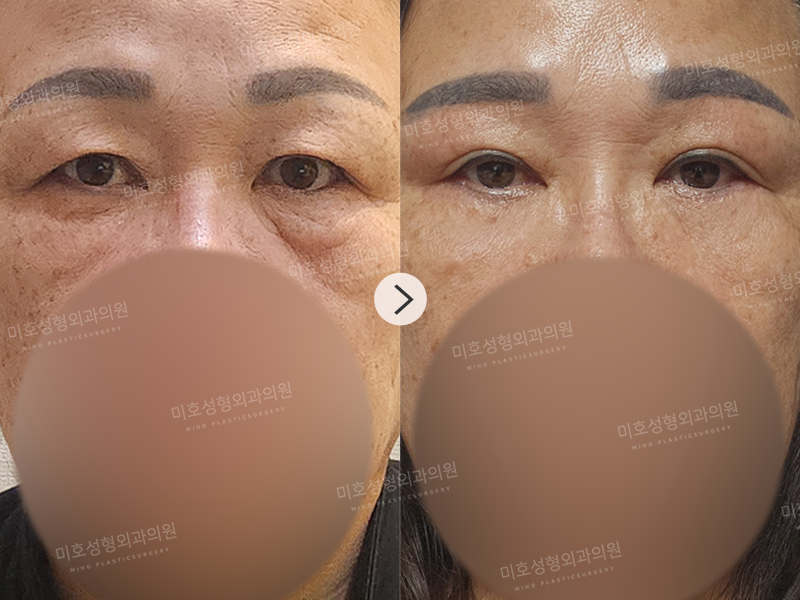
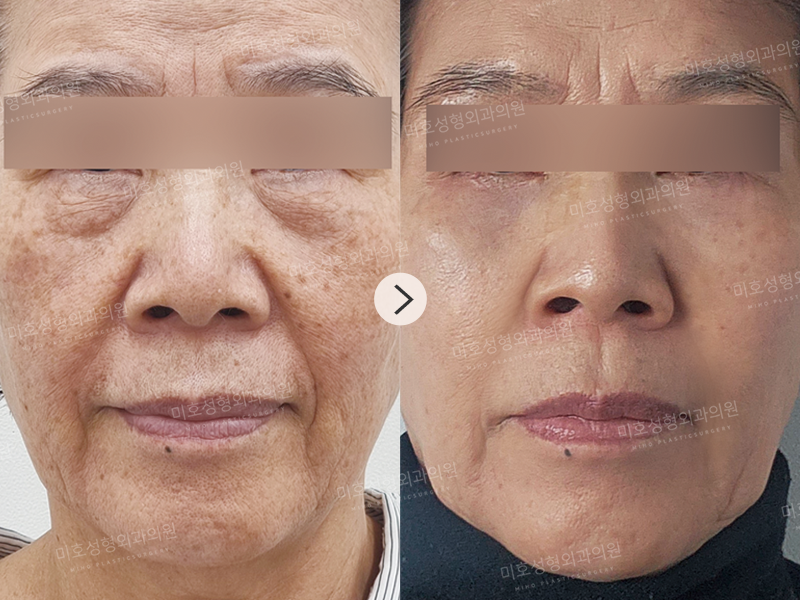
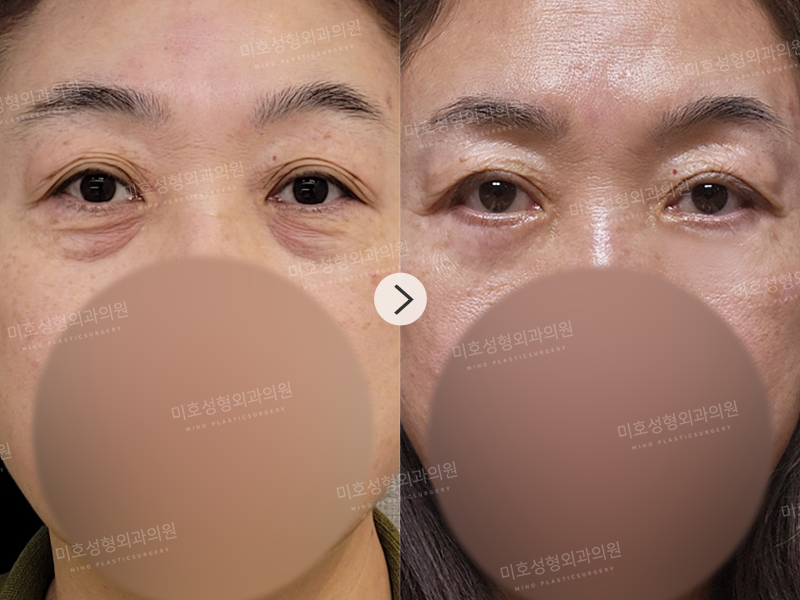
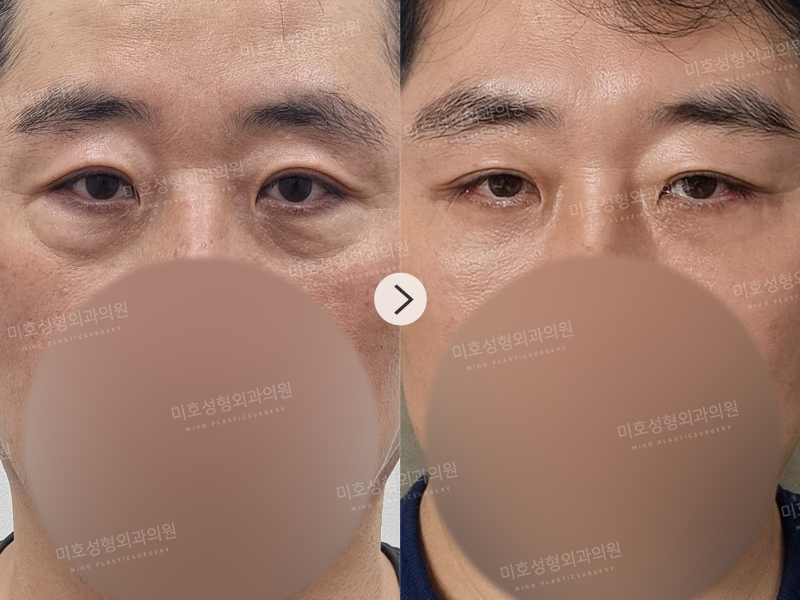
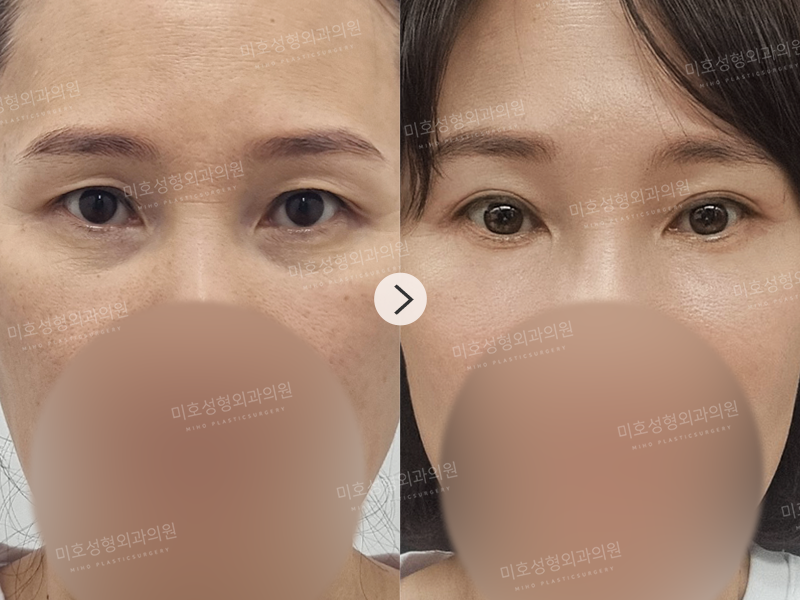
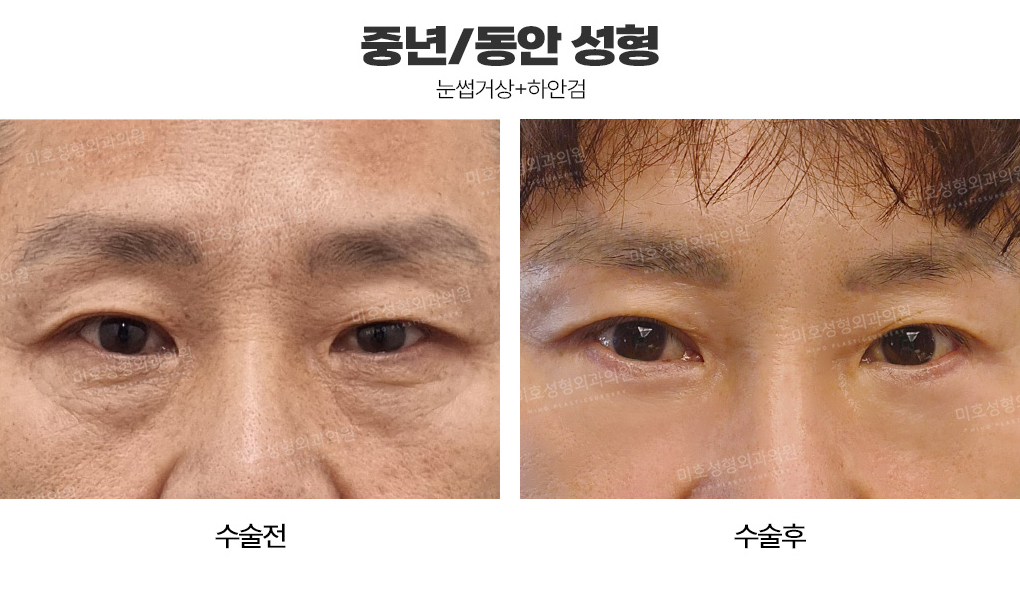
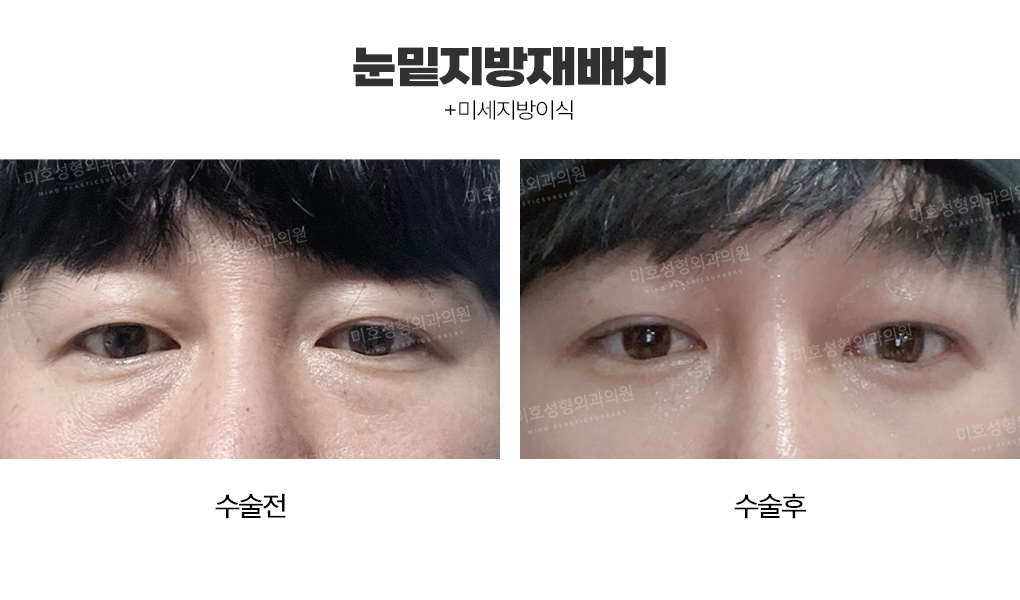
Complications that can commonly occur after surgery, such as bleeding, infection and inflammation, vary in degree from person to person, so caution is required.
Quick Consultation
Choose a date you can visit
and we'll arrange your consultation quickly.
LOCATION

7–9F, HM Tower, 492 Gangnam-daero, Gangnam-gu, Seoul (Sinnonhyeon Station 3-min walk from Exit 3)
CUSTOMER CENTER
Main Number
02.595.5503
Hours
Mon – Fri
10:00 AM – 7:00 PM
Saturday
10:00 AM – 5:00 PM
Closed on Sundays and public holidays.
Quick Consultation


