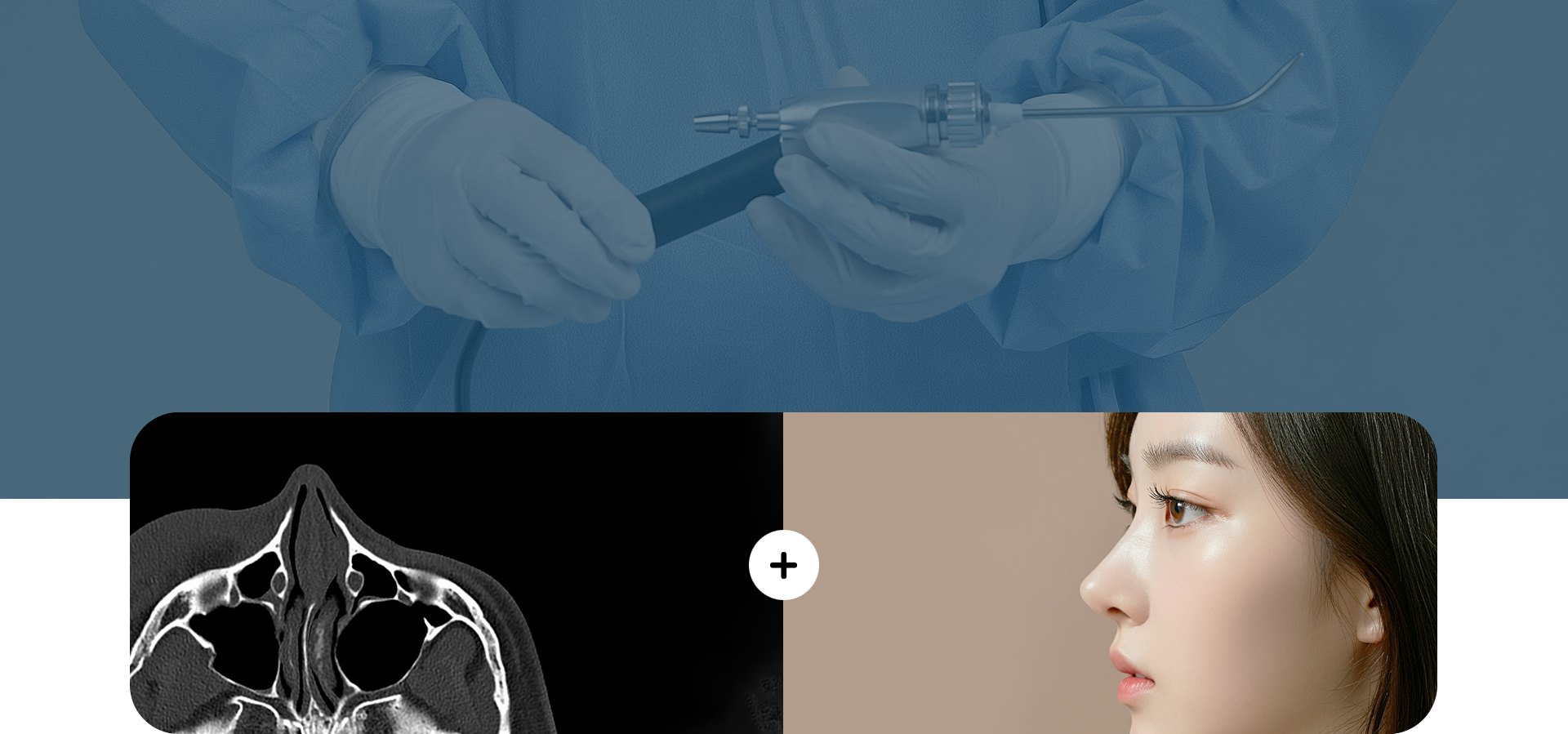
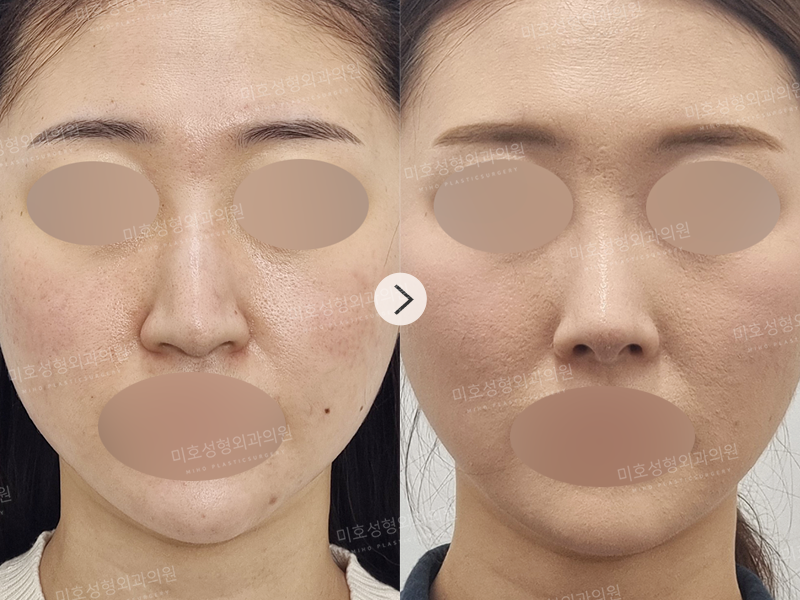
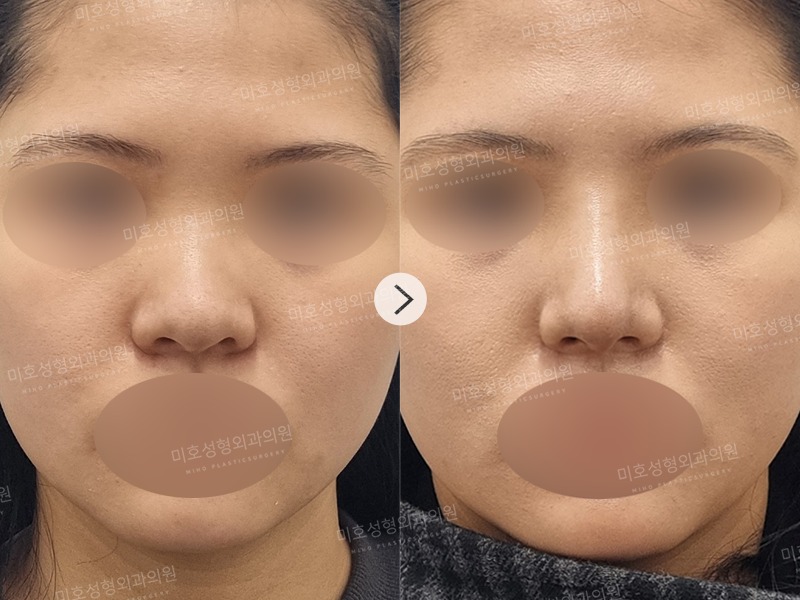
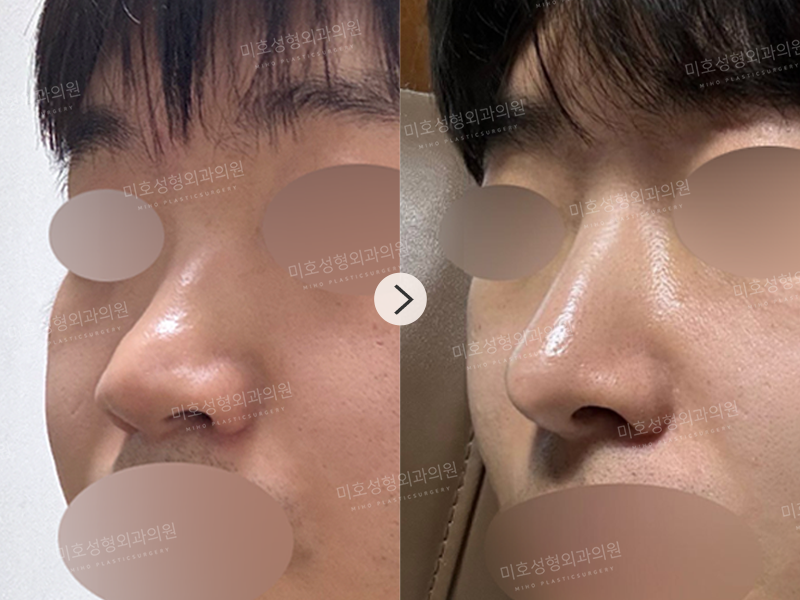
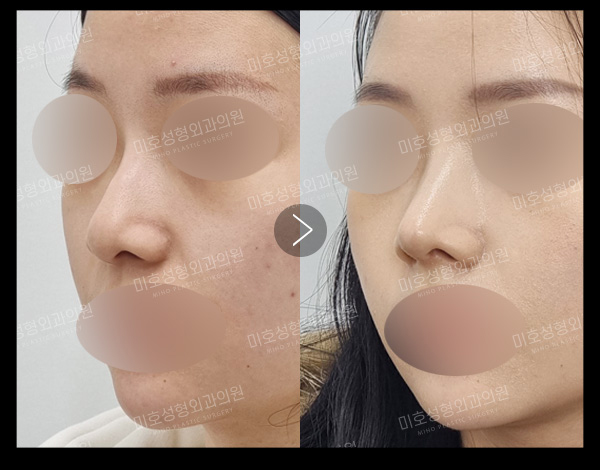
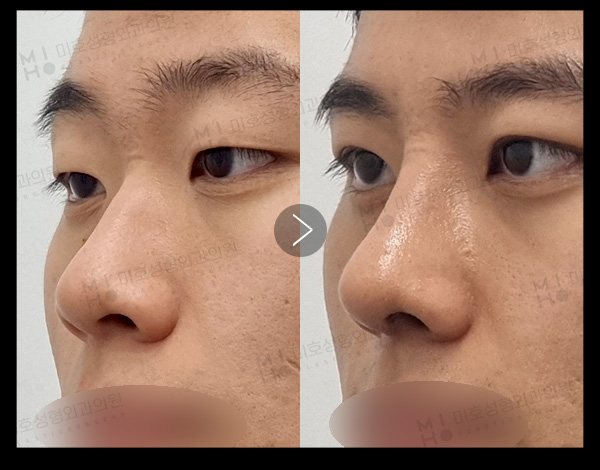
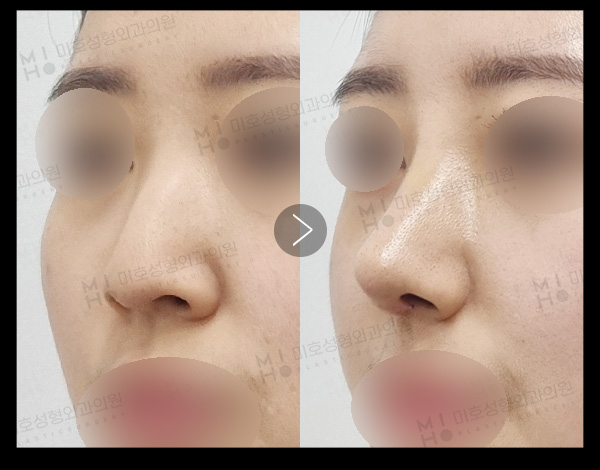
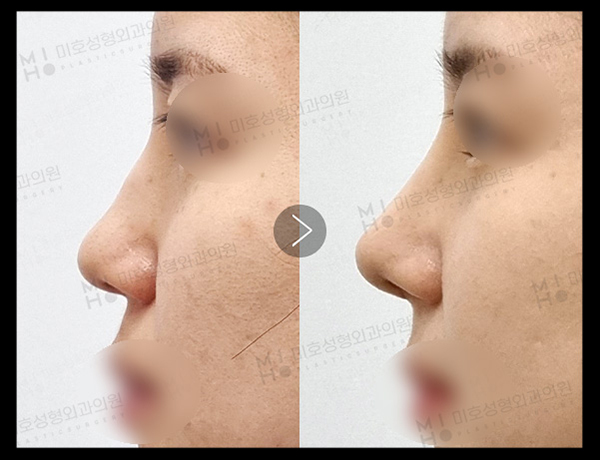
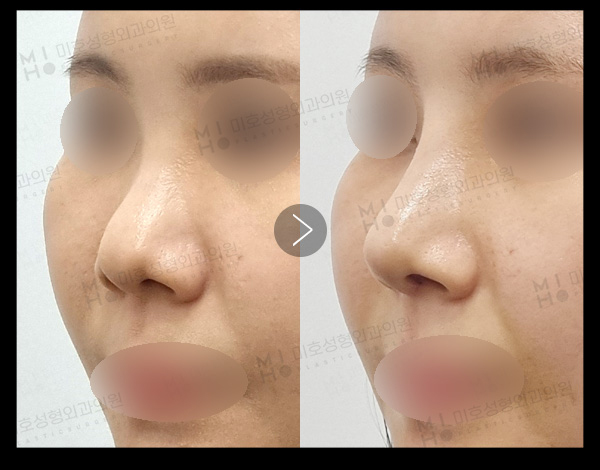
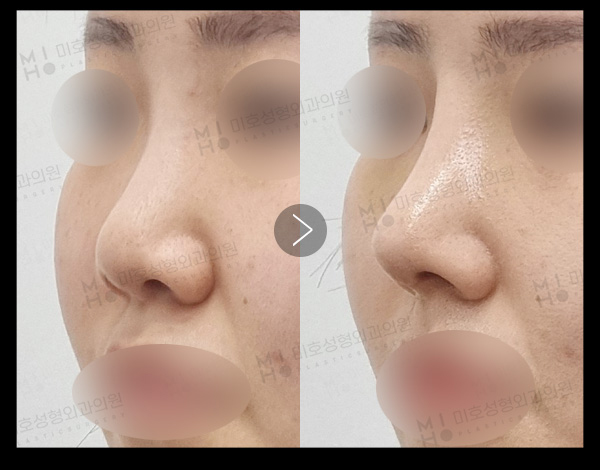
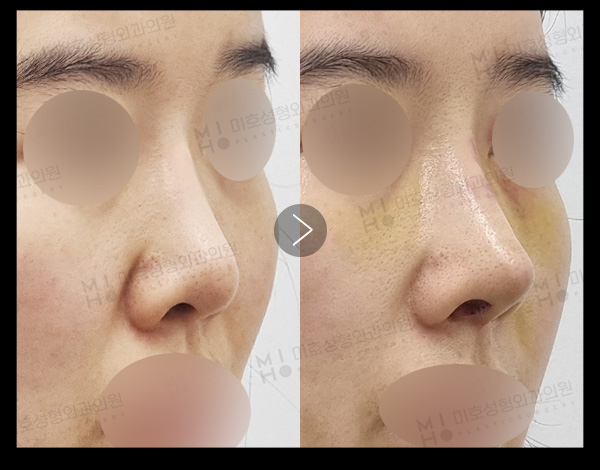
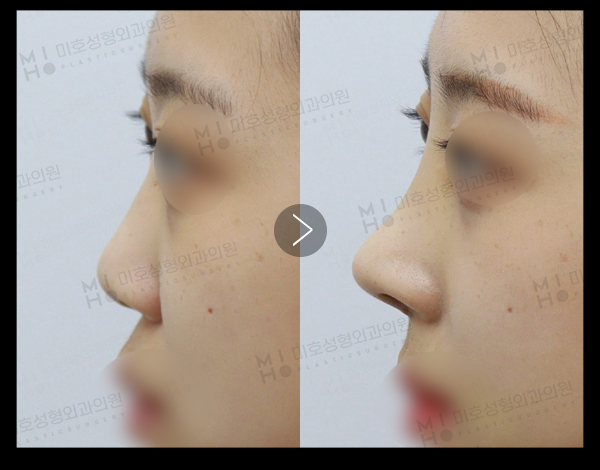
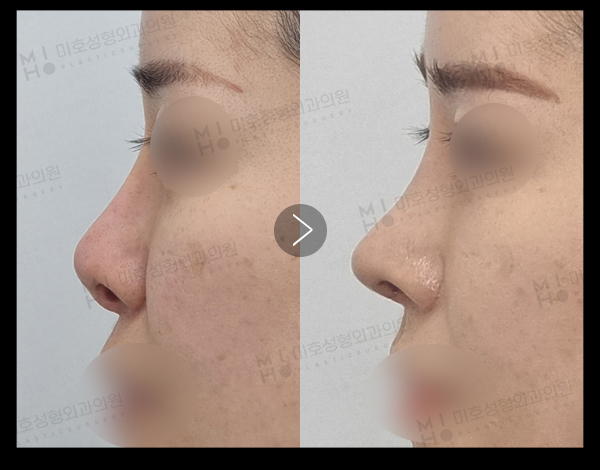
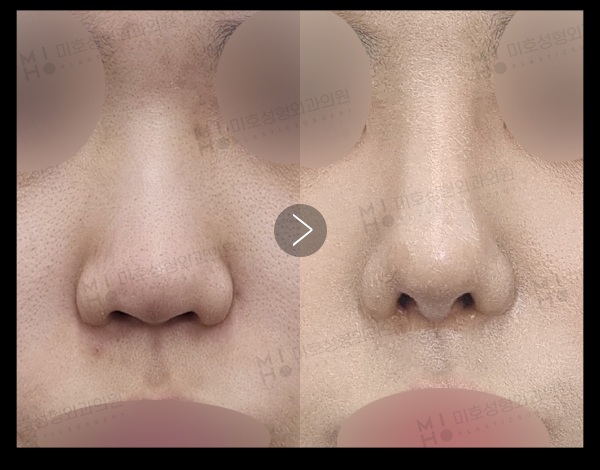
Unlike cosmetic rhinoplasty, which focuses only on appearance, functional rhinoplasty also corrects the nasal function problems that more than 70% of Koreans have.
Nose surgery at MIHO is about more than aesthetic beauty. We preserve the natural function of the nose and relieve rhinitis symptoms you had before surgery, and we help prevent the nasal congestion that can follow rhinoplasty, so you can expect a safe and satisfying result.
“
MIHO uses the debrider, a specialized ENT instrument, to deliver the best treatment results. The debrider minimizes loss of the turbinate mucosa during treatment, helping patients recover quickly.
”
Function
Aesthetics
|Deviated nose (septal deviation)|
|Blocked nose (valve stenosis)|
|Rhinitis (turbinate hypertrophy)|
|Low nose|Hump nose|
|Short nose|Bulbous nose|
|Crooked|Long nose|
In addition, rhinoplasty at MIHO is not just about a higher bridge. We analyze your facial proportions before surgery and design the height, angle and length of the nose for a nose line that looks beautiful from every angle.
This requires precise, detailed diagnosis and an experienced surgeon who knows nasal anatomy performing the surgery personally.
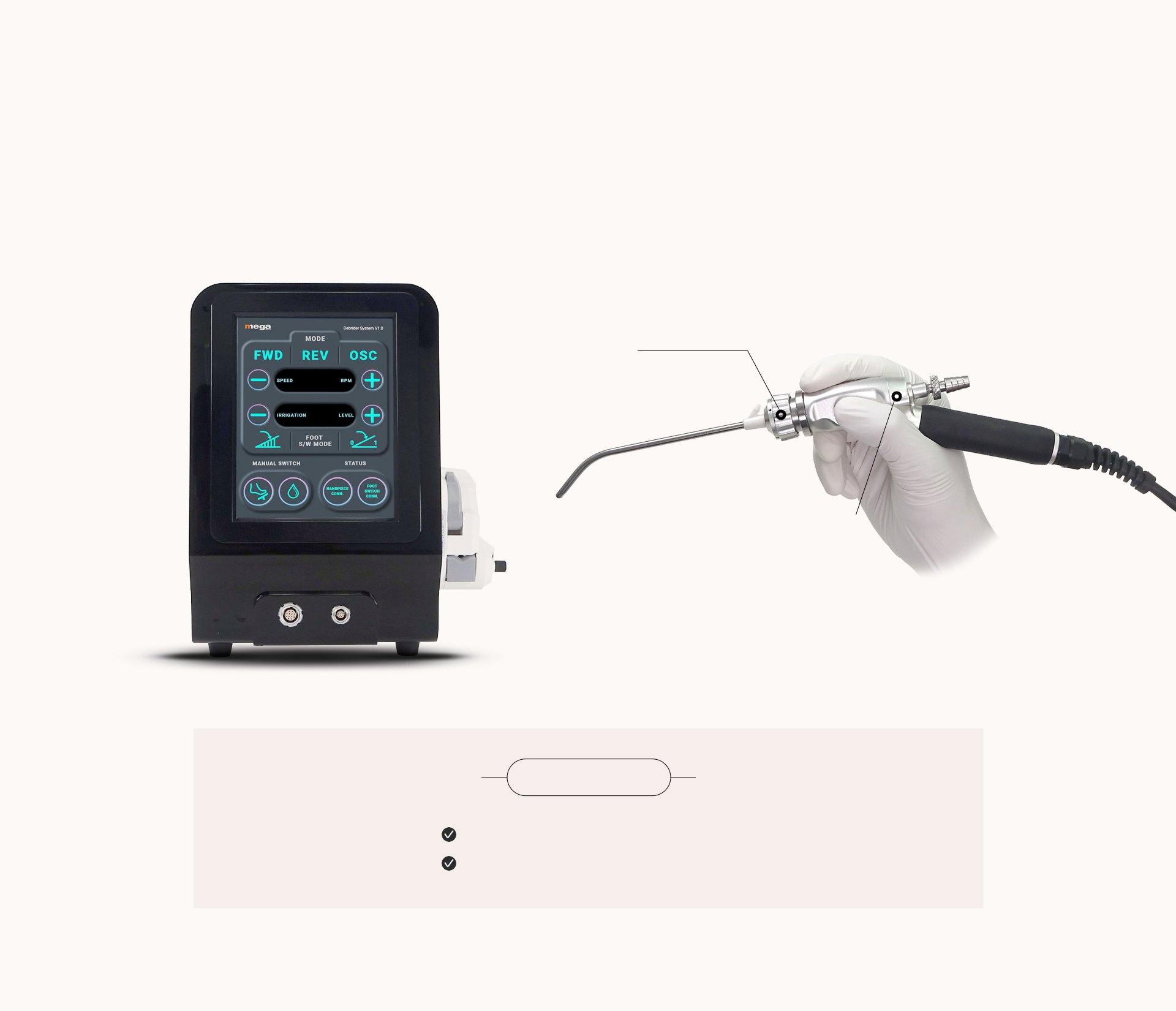
Debrider for ENT Surgery
Microdebrider system
At MIHO Plastic Surgery, to give patients the greatest possible improvement in nasal function, we operate with specialized ENT equipment.
Blade Connector
Compatible with a wide range of blades Gentle curve for easy blade-angle control (10° per step)
Handpiece
Direct-drive motor minimizes friction for maximum energy efficiency Gear-less design lowers weight and reduces surgeon fatigue Straight-through suction for clog-free cutting Ergonomic design Up to 6,000 RPM
Debrider Advantages
Works differently from radiofrequency, with superior performance
Minimal damage to the turbinate mucosa for faster recovery
Common Causes of Nasal Problems
Deviated Septum
Nasal septal deviation
The septal cartilage sits in the center of the nose and supports its central structure.
A deviated septum means the septal cartilage and bone between the nasal passages are bent, narrowing the airway on one side and causing nasal congestion.
Because it can cause real discomfort in daily life, we recommend corrective surgery.
Besides congestion, a deviated septum can cause or worsen rhinitis and sinusitis, and it can also make the nose look crooked or the tip droop.
Deviated septal cartilage
Nasal Valve Collapse
Nasal valve stenosis
The nasal valve is a roof-like space about 7–8 mm inside the nostril opening, and it is one of the most important areas for breathing in and out.
When the nasal valve narrows, the nose becomes blocked and breathing is uncomfortable.
Causes include septal deviation, sinusitis, various types of rhinitis, tumors, a crooked nose, poorly planned rhinoplasty, saddle nose and septal perforation.
Nasal valve reconstruction lifts the roof of the nasal passage, making breathing much easier.
The nasal cavity is the space inside the nose, divided into left and right by the septum. When the turbinates, which regulate airflow and filter dust, become enlarged, the nose can become blocked even if the septum is straight.
A turbinate on each side regulates the air inside the nasal cavity, keeps it from drying out and filters out dust. When the turbinates enlarge, the cavity narrows and the nose can become blocked.
When air cannot flow smoothly, turbulent air strikes the mucosa, causing swelling and inflammation of the lining: this is hypertrophic rhinitis.
Rhinitis brings a runny nose, congestion, sneezing and itching. Once it becomes chronic, structural changes can lead to chronic congestion, snoring and sinusitis.
Narrowed airwayInf. turbinateSeptum
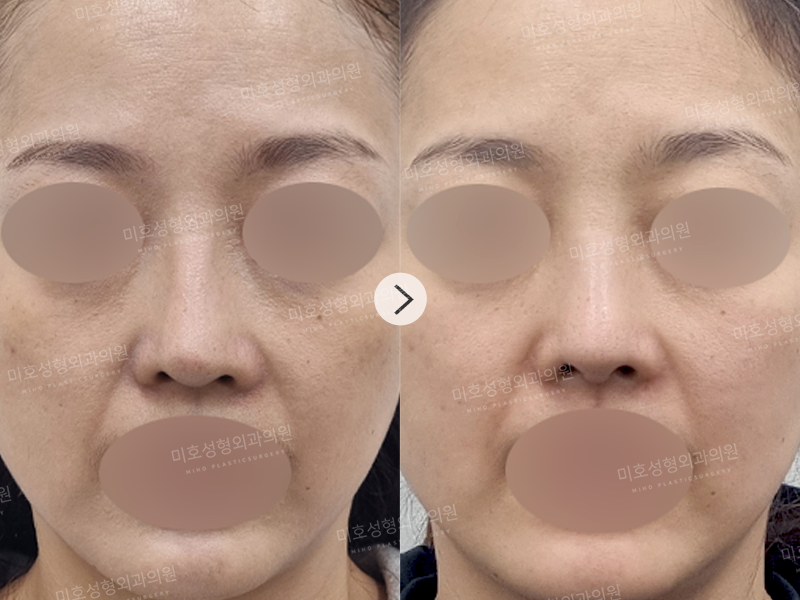
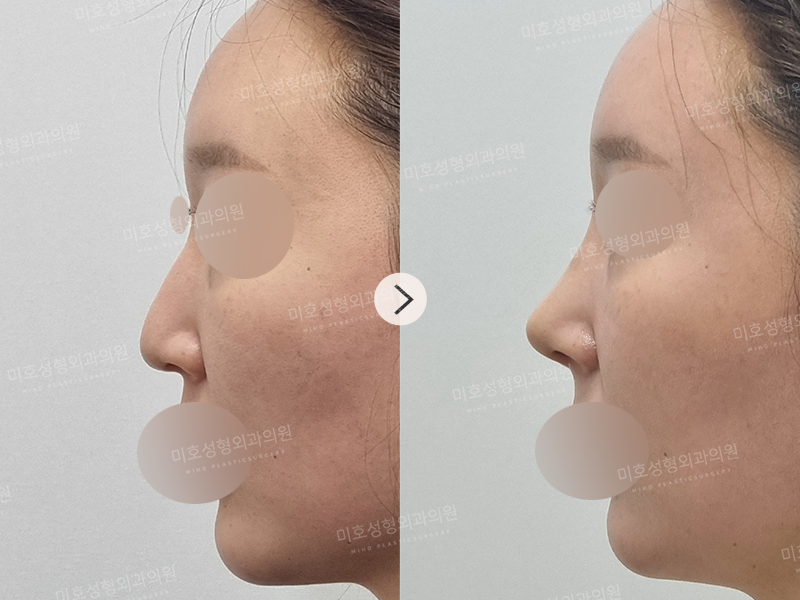
A nose shape that suits your face, plus relief from persistent nasal problems!
Features of MIHO Functional Rhinoplasty
Accurate diagnosis of nasal bone shape, condition and deviation
Detailed, honest pre-surgery consultation
A nose tip that stays in place over time
Function and aesthetics solved at the same time
Nasal function and aesthetics, solved together at MIHO!
For patients covered by Korean private indemnity insurance, a qualifying diagnosis may allow insurance benefits, reducing costs while improving both the appearance and the function of the nose.
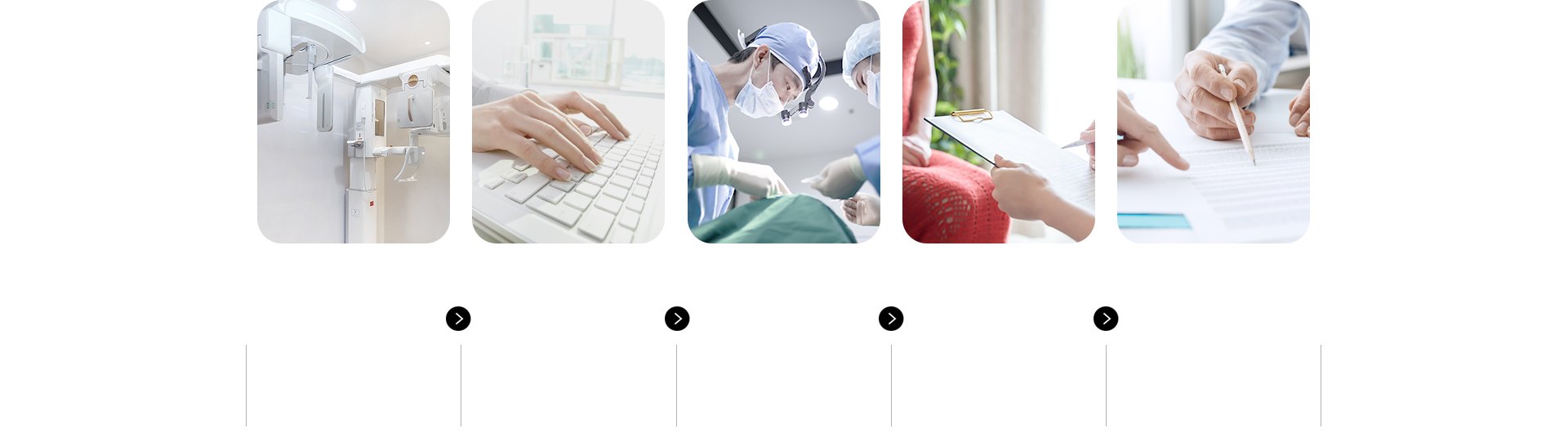
01Consultation & ExamVisit the clinic for a precise 3D-CT examination
02Check CoverageAfter diagnosis, ask your insurer about the diagnosis and surgery codes to confirm coverage
03SurgeryTreatment and surgery with a 1:1 personalized plan for your condition
04Request DocumentsRequest the claim documents from the clinic
05Submit & ReviewSubmit the documents to your insurer; after the review, receive your payment
Implant Types for Functional Rhinoplasty
Artificial Implants
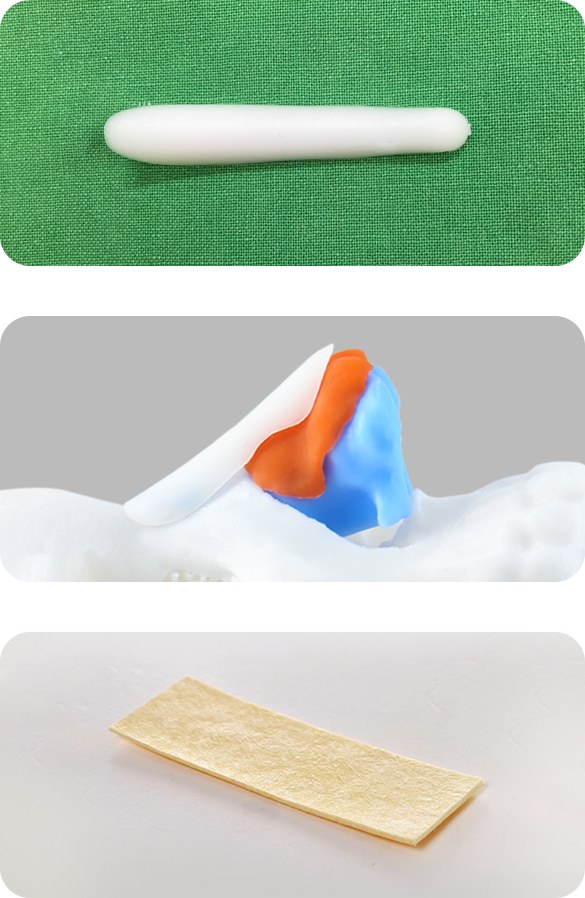
Silicone
An FDA-approved material that keeps its shape over time, is barely absorbed or altered in the body and has a low inflammation rate. The most widely used implant, it can be carved into the desired design.
3D Silicone (FITme)
Unlike standard silicone carved by hand, it is made 1:1 from your CT data using 3D customization. Because the custom implant fits your nasal bone, it minimizes side effects such as curving, show-through and lifting.
AlloDerm (donor dermis)
Processed human skin from which the cells that trigger immune rejection have been removed. It is rarely absorbed, so it is widely used in rhinoplasty, mainly to raise the tip or to wrap silicone implants where the skin is thin.
DermisFascia
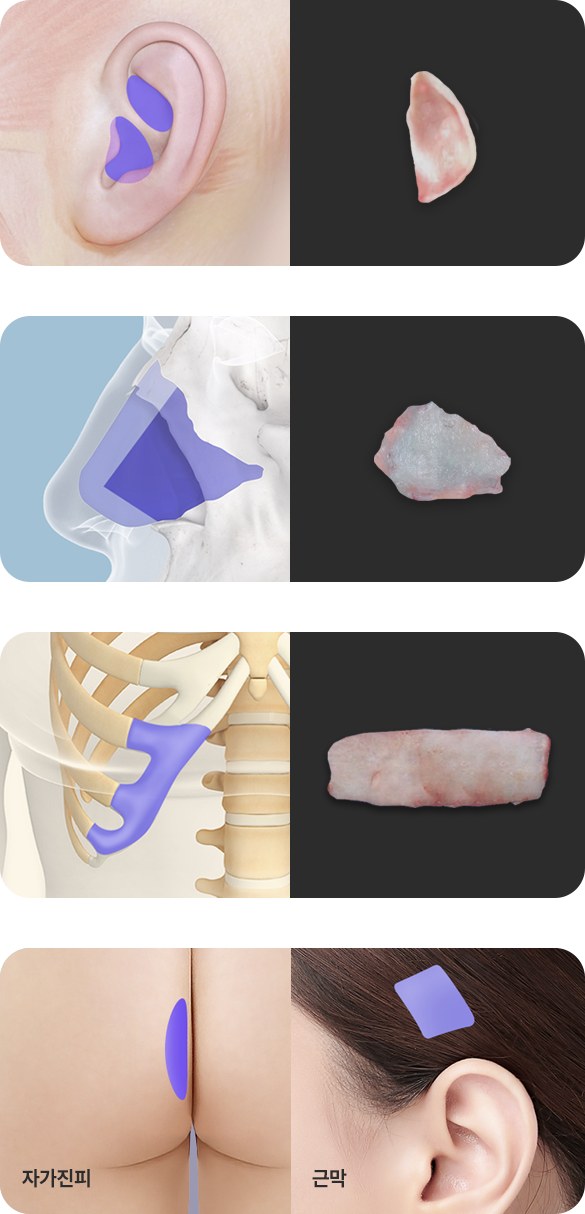
Autologous Tissue
Ear Cartilage
Soft ear cartilage is ideal for a natural tip lift and is also used to rebuild the alar cartilage.
Septal Cartilage
Mainly used to build tip support. For tip elevation, it works best combined with dermis, soft tissue or ear cartilage.
Rib Cartilage / Donor Rib
The longest and straightest autologous cartilage, widely used and usually taken from ribs 6–10.
Autologous Dermis / Fascia
Reduces show-through of tip cartilage or the bridge implant. It can be layered and used alone on the bridge or the tip.
Precise diagnosis of aesthetic and functional issues with 3D-CT
3D-CT lets us assess nasal bone width, asymmetry, fractures, dorsal humps and deviation, as well as the position, shape and curvature of the septal cartilage.
Accurate analysis after diagnosis helps in choosing the right implant before surgery, and if functional problems are found, they can be corrected at the same time, reducing the overall burden of separate procedures.
※ Treatment plans are decided after an in-person consultation and diagnosis.
01
Accurate analysis of the shape and size of septal cartilage and bone during surgery
02
If a deviated septum is found, septoplasty is performed at the same time
03
If inferior turbinate hypertrophy is found, turbinate reduction is performed at the same time
MIHO Rhinoplasty
Before & After Surgery Care
—MIHO RHINOSURGERY—
Before Surgery
BEFORENOTICE
Please tell us in advance about any known drug side effects, existing conditions or past general anesthesia. (e.g., high blood pressure, diabetes, lung or heart disease, hepatitis)
Stop alcohol, smoking and all medications 1 week before surgery. Let us know if you take any medication. (aspirin, diet pills, red ginseng, sleeping pills, etc.)
Do not eat or drink anything, including water, for 6 hours before surgery (8 hours for general anesthesia).
On the day of surgery, wear comfortable clothes and bring a hat, scarf or sunglasses to protect the surgical area.
If you take blood pressure or diabetes medication, please tell your coordinator or doctor.
After Surgery
AFTERNOTICE
Some bleeding from the surgical area may occur for 1–2 days.
Gently wipe any discharge with gauze or a clean tissue. Do not put anything in your nose or blow your nose.
Use the cold pack provided for 3 days, then alternate cold and warm compresses.
Swelling peaks for 3 days after surgery. Keep your head raised when sitting or sleeping to minimize swelling and bruising.
Do not wear glasses for 4–6 weeks after surgery.
You may wash and wear makeup on the area from the day after stitch removal.
Take the prescribed medication after meals.
Smoking and drinking slow recovery. Avoid both for at least 4 weeks.
—MIHO SAFETY SYSTEM—
MIHO Safe Surgery System
We care about more than appearance — we consider each patient's facial features and function.
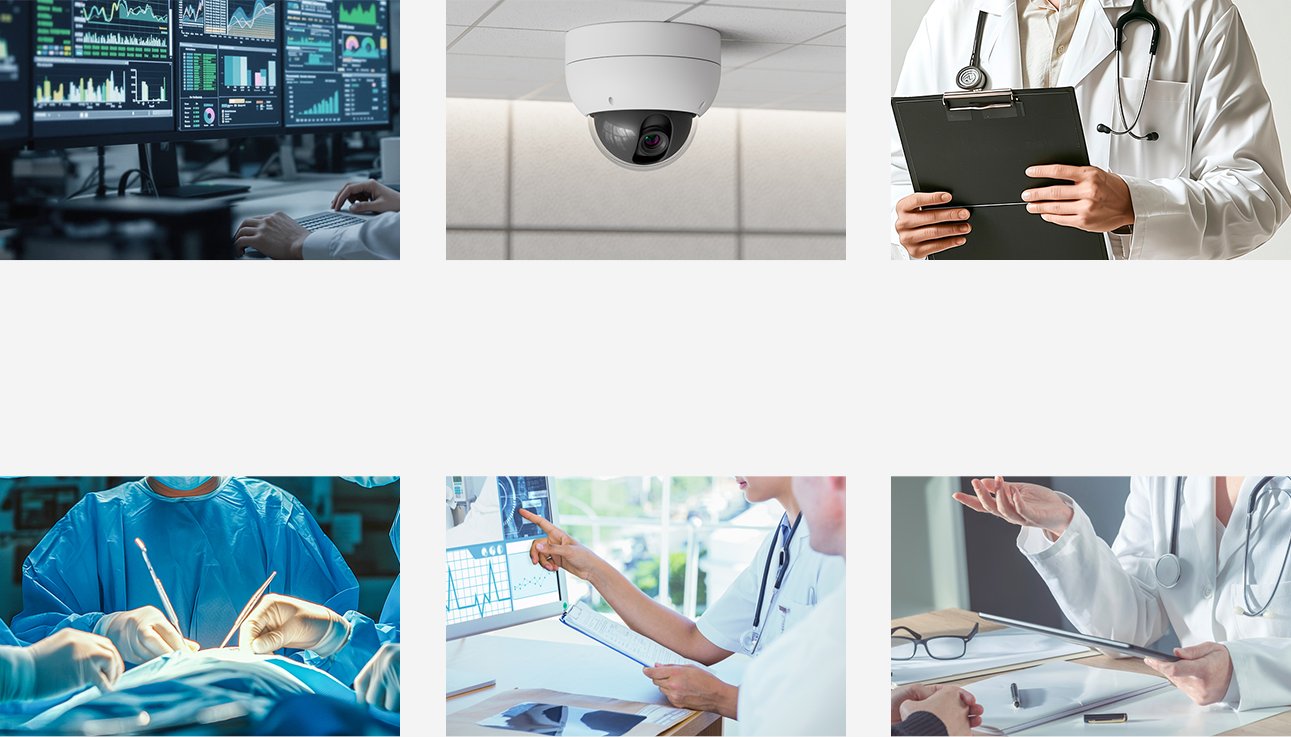
Real-Time Monitoring
A central monitoring system tracks each patient's vital signs in real time during surgery
Operating Room CCTV
CCTV in the operating room improves transparency and enables rapid emergency response
Named Surgeon System
Specialists in each field provide dedicated 1:1 care from consultation through post-op recovery
Anesthesiologist On Site
A systematic anesthesia setup with an anesthesiologist on site for safe, hygienic surgery
Accurate Diagnosis & Safety
Safe surgical planning and precise assessment of issues and solutions for higher patient satisfaction
Thorough Aftercare
An aftercare kit is provided, and emergencies are handled quickly with Seoul St. Mary's Hospital
Complications that can commonly occur after surgery, such as bleeding, infection and inflammation, vary in degree from person to person, so caution is required.
Quick Consultation
Choose a date you can visit and we'll arrange your consultation quickly.
LOCATION
7–9F, HM Tower, 492 Gangnam-daero, Gangnam-gu, Seoul (Sinnonhyeon Station 3-min walk from Exit 3)