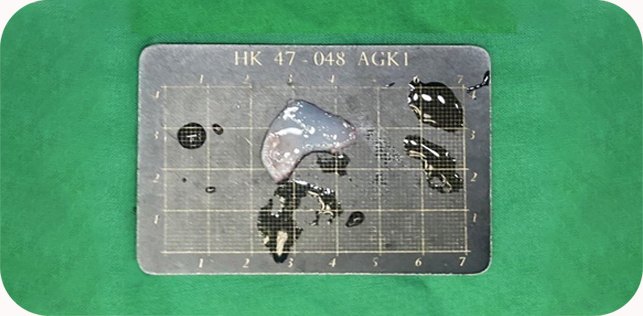
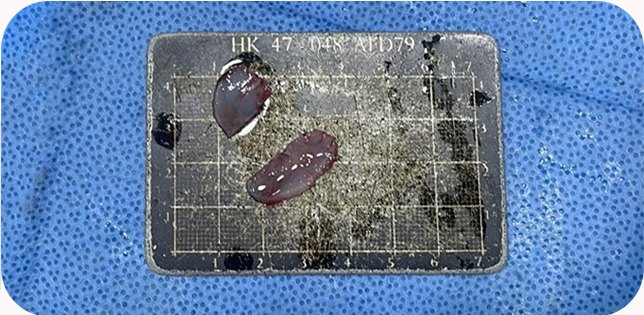
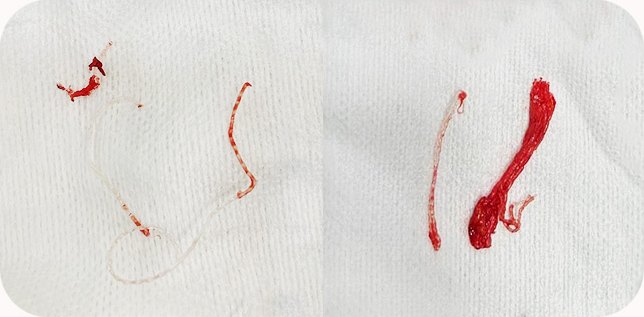
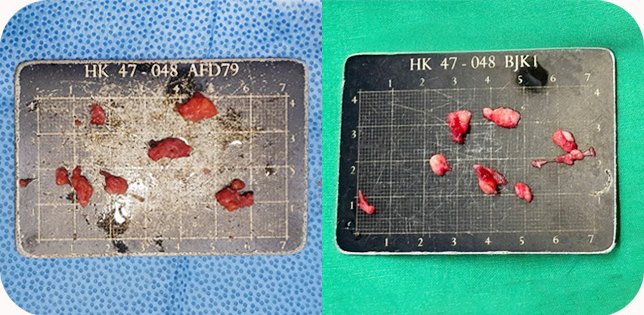
If foreign materials have caused inflammation or contracture,
they must be removed as soon as possible;
some surrounding normal tissue may also need removal,
and recurrence is possible, so careful attention is required.
Nasal foreign body removal should, whenever possible, be done through an open incision,
removing as much material as possible within a range safe for the skin and dermis;
because it can be risky, it requires extensive experience and refined skill,
and after removal, rhinoplasty must be done safely
considering the condition of the nasal skin and tissue.
MIHO Rhinoplasty
Pre- & Post-op Precautions
—MIHO RHINOSURGERY—
Before surgery
BEFORE NOTICE
Please be sure to tell us in advance about any adverse drug reactions, known medical conditions
or history of general anesthesia. (high blood pressure, diabetes, lung disease, heart disease, hepatitis, etc.)
Stop alcohol, smoking and all forms of medication from 1 week before surgery.
If you take any medication, please let us know in advance. (aspirin, diet pills, red ginseng, sleeping pills, etc.)
Depending on the anesthesia, do not eat or drink anything, including water,
for 6 hours before surgery (8 hours for general anesthesia).
On the day of surgery, wear comfortable clothes and bring a hat,
scarf or sunglasses to protect the treated area.
If you need to take blood pressure or diabetes medication, please tell your coordinator or doctor
After surgery
AFTER NOTICE
Some blood may seep from the surgical site for 1–2 days after surgery.
Gently wipe any discharge with gauze or clean tissue,
and do not insert anything into the nose or pinch and blow it.
Use the compress pack provided by the clinic for cold compresses for 3 days,
then alternate cold and warm compresses from day 3.
The first 3 days after surgery are the swelling period, so keeping your head elevated
when reclining or sleeping helps minimize swelling and bruising.
Do not wear glasses for 4–6 weeks after surgery.
You may wash your face and wear makeup on the treated area from the day after stitch removal.
Take the medication prescribed by the clinic after meals.
Smoking and drinking slow recovery. Please abstain for at least 4 weeks.
—MIHO SAFETY SYSTEM—
MIHO Safe Surgery System
We don't just pursue aesthetic beauty;
we consider each patient's facial features and function.
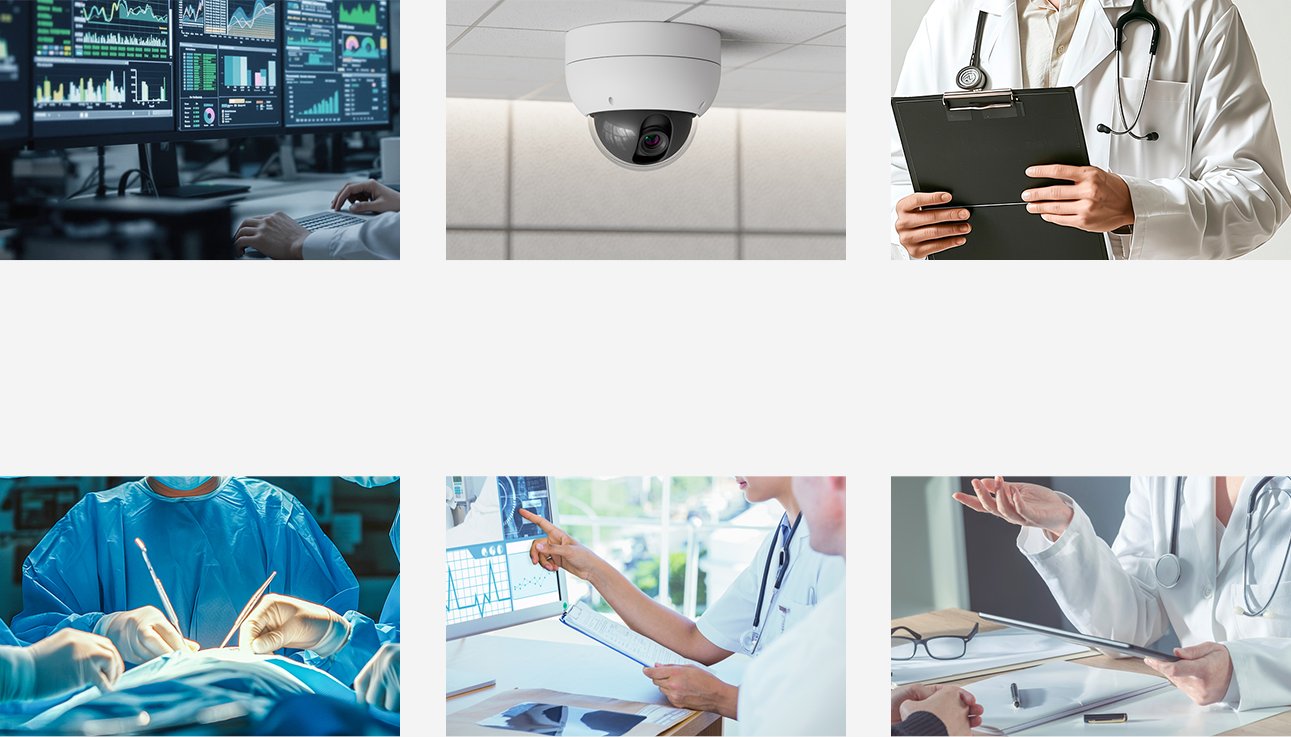
Real-time monitoring
A central monitoring system
observes the patient's vital signs
in real time during surgery
Operating room CCTV
CCTV in the operating room
increases transparency of the surgery
and enables emergency response
Surgeon accountability
Specialists in each field
provide dedicated 1:1 care
from consultation to post-op recovery
Resident anesthesiologist
A systematic anesthesia system
and an on-site anesthesiologist
for safe, hygienic surgery
Accurate diagnosis & safety
Safe surgical planning and
accurate assessment of issues and
improvements for higher satisfaction
Thorough aftercare
Aftercare kit provided and
partnership with Seoul St. Mary's Hospital
for rapid response to emergencies