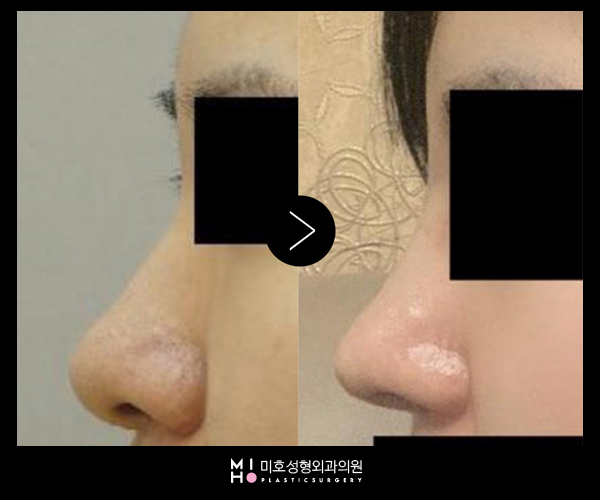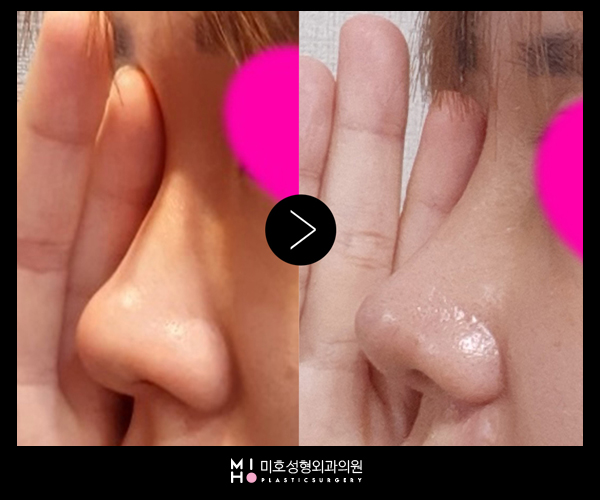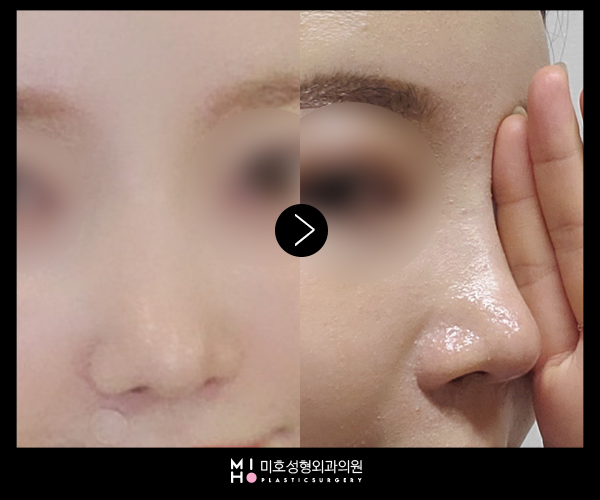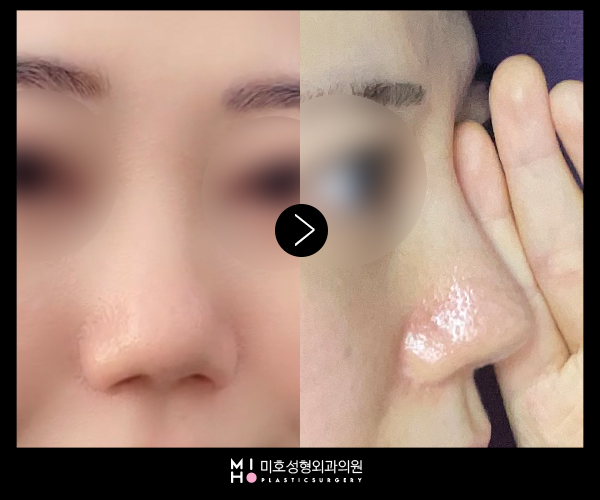
MIHO TV - plastic surgery information on MIHO YouTube
Apply as a MIHO mid-age real model
Apply as a MIHO real model

LOGIN

JOIN


MIHO PLASTIC SURGERY

Nasal Reconstruction

To make it truly your last surgery,
we pinpoint why the previous one failed,
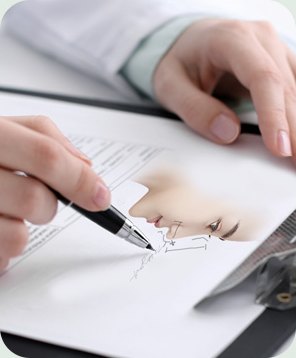
assess your nose precisely and plan thoroughly.

Nose Reconstruction

Surgery Information

Results may vary depending on individual symptoms, condition and surgical method.

Surgery time
2 hours
Anesthesia
Sedation anesthesia
Hospitalization
Not required
Stitch removal
After 5–7 days
Follow-up visits
2–3 times
Recovery
About 7 days

MIHO TV

Find useful information about plastic surgery in our YouTube videos.

MORE VIEW

What is MIHO nose reconstruction?

It means reconstructing the nose's shape and function again when a failed first or second rhinoplasty didn't produce the desired shape
or caused functional problems such as inflammation.

Revision rhinoplasty is actually trickier and more complex than the first surgery.
Because it is so difficult, it's best done by a specialist with extensive revision experience.

At MIHO Plastic Surgery, we thoroughly discuss each revision patient's concerns,
identify what surgery they had before, and make an appropriate plan at the right time
to create the most aesthetically and functionally harmonious nose.

MIHO nose reconstruction candidates

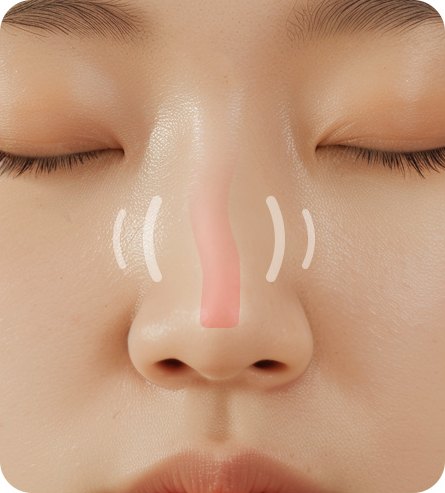
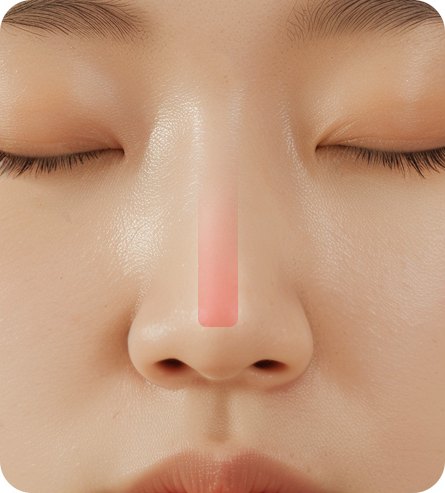
  1. 01Crooked columella
  2. 02Tip gradually shortening (contracted nose)
  3. 03Nostrils of different sizes
  4. 04Congestion got worse
  5. 05Nose crooked after surgery
  6. 06Hump reappeared
  7. 07Implant moving
  8. 08Implant showing through
  9. 09Dissatisfaction with previous rhinoplasty
Nose reconstruction consultation model

Timing of nose reconstruction

Generally, nose reconstruction is best 6 months to 1 year after the first surgery.

For a highly satisfying result, eliminating the side effects and sequelae of the first surgery matters most.
Timing isn't automatically 6 months or 1 year; because each nose and method differs,
the exact timing is best decided after consultation with a specialist.

Tissue stabilityRight after surgery6 months after surgery1 year after surgery Tissue stabilizedRecommended time for revision
Typical case

6 months after the first surgery,
once the tissue has generally softened

If inflammation occurred

After removing the cause of inflammation, such as the implant,
and once symptoms have subsided

MIHO Plastic Surgery is the clinic where any type of revision rhinoplasty is possible.

Features of MIHO nose reconstruction

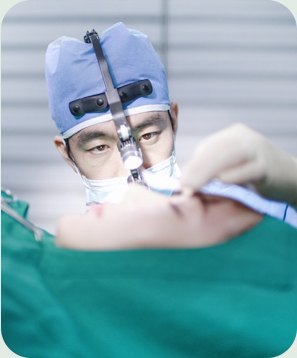
Doctors with extensive experience
in many types of revision rhinoplasty
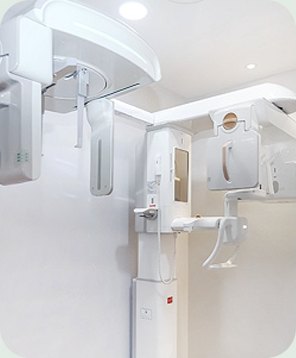
3D precision analysis of the nose
with 3D-CT and endoscopy
Customized revision rhinoplasty
based on your current condition
Solves functional problems
while achieving a satisfying shape

With experience in many revision rhinoplasty cases, MIHO Plastic Surgery
accurately identifies why the first surgery failed and, with the optimal method for it,
heals even the emotional scars.

Nose reconstruction methods by type

Nose reconstruction CASE 01 — crooked columella

CASE 01

Crooked columella

SOLUTION

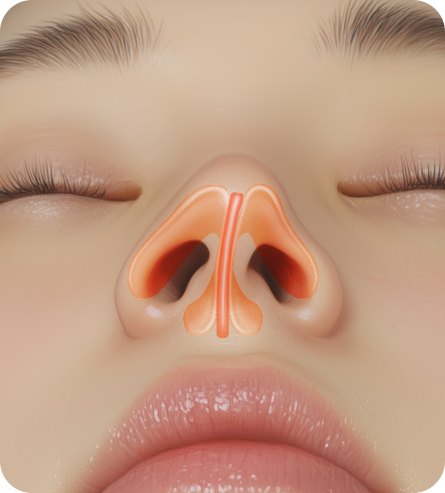
When pressure on the tip cartilage strut built during rhinoplasty
exceeds the support of the remaining internal structure and bends the septum,
the strut connected to the septum bends too, and the columella becomes crooked.
The previously operated area must be removed and the septal cartilage straightened and reconstructed.

Nose reconstruction CASE 02 — tip gradually shortening

CASE 02

Tip gradually shortening (contracted nose)

SOLUTION

In severe cases, the implant is removed immediately.
Then, depending on the patient's skin condition, early reconstruction or
revision after 6 months is performed.
For patients with frequent inflammation, autologous tissue is best
to minimize inflammatory reactions during revision.

Nose reconstruction CASE 03 — nostrils of different sizes

CASE 03

Nostrils of different sizes

SOLUTION

When pressure on the tip cartilage strut built during rhinoplasty
exceeds the support of the remaining internal structure and bends the septum,
not only does the septum bend but the nostrils also become asymmetric.
The previously operated area must be removed and the septal cartilage straightened and reconstructed.

Nose reconstruction CASE 04 — congestion got worse

CASE 04

Congestion got worse

SOLUTION

When pressure on the tip cartilage strut built during rhinoplasty exceeds
the support of the remaining internal structure and bends the septum, a deviated septum results.
A deviated septum is when the septum curves to one side, enlarging the nasal mucosa on one side
and narrowing the other, causing congestion.
In this case, the bent septal cartilage must be reinforced and reconstructed.

Nose reconstruction CASE 05 — nose crooked after surgery

CASE 05

Nose crooked after surgery

SOLUTION

Before revision, asymmetry of soft tissue or facial bones is checked,
and silicone carved to fit the patient's skin is reinserted to restore symmetry.
For patients who don't need an implant, the nasal bone framework must be realigned with osteotomy.

Nose reconstruction CASE 06 — hump reappeared

CASE 06

Hump reappeared

SOLUTION

Hump resection shaves the protruding nasal bone
for a natural bridge line.
If the bridge is low, a thin implant is used
to straighten it through implant design alone, without shaving bone.

Nose reconstruction CASE 07 — implant moving

CASE 07

Implant moving

SOLUTION

If the implant doesn't settle between the nasal bone and periosteum,
it moves when touched.
In that case, the implant is removed and precisely shaped and reinserted
between the bone and periosteum so it stays fixed.

Nose reconstruction CASE 08 — implant showing through

CASE 08

Implant showing through

SOLUTION

This also happens when the skin thins after rhinoplasty or a thick implant was inserted.
The implant from the first rhinoplasty is removed and replaced with autologous tissue,
or the implant is wrapped in artificial dermis and reinserted.

Nose reconstruction CASE 09 — dissatisfaction with previous rhinoplasty

CASE 09

Dissatisfaction with previous rhinoplasty

SOLUTION

This is when the nose isn't the shape you wanted after the first surgery.
If it is too high, too low or too narrow and out of harmony with the face,
the existing implant is removed and one that suits the nose is inserted.

Implant types for MIHO nose reconstruction

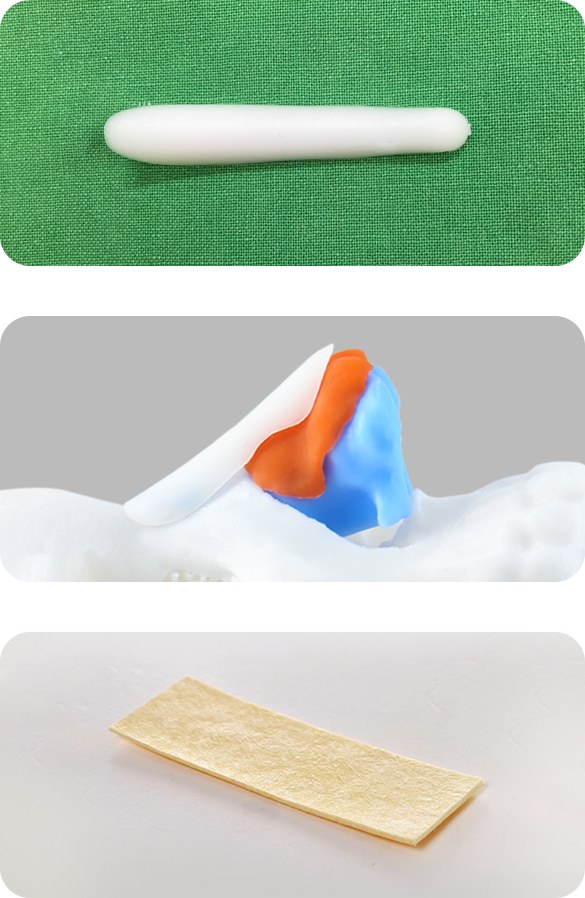
Artificial implants — silicone, 3D silicone (FITme), AlloDerm (donor dermis)

Artificial implants

Silicone

An FDA-approved material that doesn't easily change shape over time
and is barely absorbed or degraded in the body, so inflammation is rare.
The most commonly used implant, it can be carved into the desired design.

3D silicone (FITme)

Unlike regular silicone hand-carved into an implant, this is custom-designed silicone made 1:1
from the patient's CT data using 3D customization; because it is tailored
to fit your nasal bone exactly,
side effects such as bending, show-through and lifting are minimized.

AlloDerm (donor dermis)

AlloDerm is a processed human skin material with the cellular components that cause immune rejection removed.
It is not easily absorbed over time, so it is widely used in rhinoplasty.
It is mainly used to raise the tip or to wrap a silicone implant when the bridge skin is thin,
for a natural look.

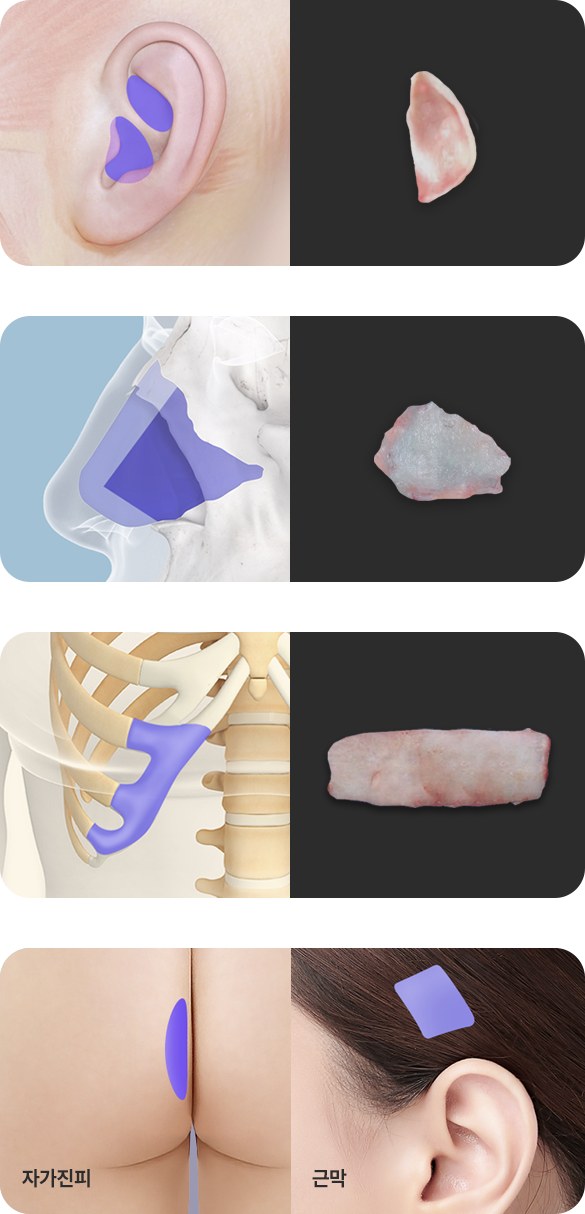
Autologous tissue — ear cartilage, septal cartilage, rib cartilage, donor rib cartilage, autologous dermis, fascia

Autologous tissue

Ear cartilage

Ear cartilage is soft and good for naturally raising the tip,
and is also used to reconstruct the alar (lower lateral) cartilage.

Septal cartilage

Septal cartilage is mainly used to build support for the tip;
when raising the tip, it is best combined with dermis, soft tissue or ear cartilage.

Rib cartilage, donor rib cartilage

Rib cartilage is widely used as it is the longest and straightest autologous
cartilage. Ribs 6–10 are mainly used.

Autologous dermis, fascia

Autologous dermis and fascia are used to minimize cartilage show-through at the tip or implant show-through
on the bridge, and can also be layered and used alone
on the bridge or tip.

3D-CT for precise diagnosis
of aesthetic + functional problems!

3D-CT precision diagnosis assesses nasal bone width, asymmetry, fractures, humps and crookedness,
and can diagnose the position and shape of the septal cartilage and how bent it is.

Accurate analysis after precise diagnosis greatly helps choose the implant before surgery,
and if functional problems are found, health insurance may apply,
lowering costs along with the corrective effect.

※ Eligibility and coverage may vary depending on the terms of the indemnity insurance the patient has subscribed to.

  1. 01

    During surgery, the various shapes
    and sizes of the septal cartilage and
    bone are precisely analyzed

  2. 02

    For a deviated septum,
    septoplasty is
    performed at the same time

  3. 03

    For inferior turbinate hypertrophy,
    turbinate resection and
    reduction are performed at the same time

MIHO Rhinoplasty

Pre- & Post-op Precautions

Before surgery

BEFORE NOTICE

Please be sure to tell us in advance about any adverse drug reactions, known medical conditions
or history of general anesthesia. (high blood pressure, diabetes, lung disease, heart disease, hepatitis, etc.)

Stop alcohol, smoking and all forms of medication from 1 week before surgery.
If you take any medication, please let us know in advance. (aspirin, diet pills, red ginseng, sleeping pills, etc.)

Depending on the anesthesia, do not eat or drink anything, including water,
for 6 hours before surgery (8 hours for general anesthesia).

On the day of surgery, wear comfortable clothes and bring a hat,
scarf or sunglasses to protect the treated area.

If you need to take blood pressure or diabetes medication, please tell your coordinator or doctor

After surgery

AFTER NOTICE

Some blood may seep from the surgical site for 1–2 days after surgery.

Gently wipe any discharge with gauze or clean tissue,
and do not insert anything into the nose or pinch and blow it.

Use the compress pack provided by the clinic for cold compresses for 3 days,
then alternate cold and warm compresses from day 3.

The first 3 days after surgery are the swelling period, so keeping your head elevated
when reclining or sleeping helps minimize swelling and bruising.

Do not wear glasses for 4–6 weeks after surgery.

You may wash your face and wear makeup on the treated area from the day after stitch removal.

Take the medication prescribed by the clinic after meals.

Smoking and drinking slow recovery. Please abstain for at least 4 weeks.

MIHO Safe Surgery System

We don't just pursue aesthetic beauty;
we consider each patient's facial features and function.
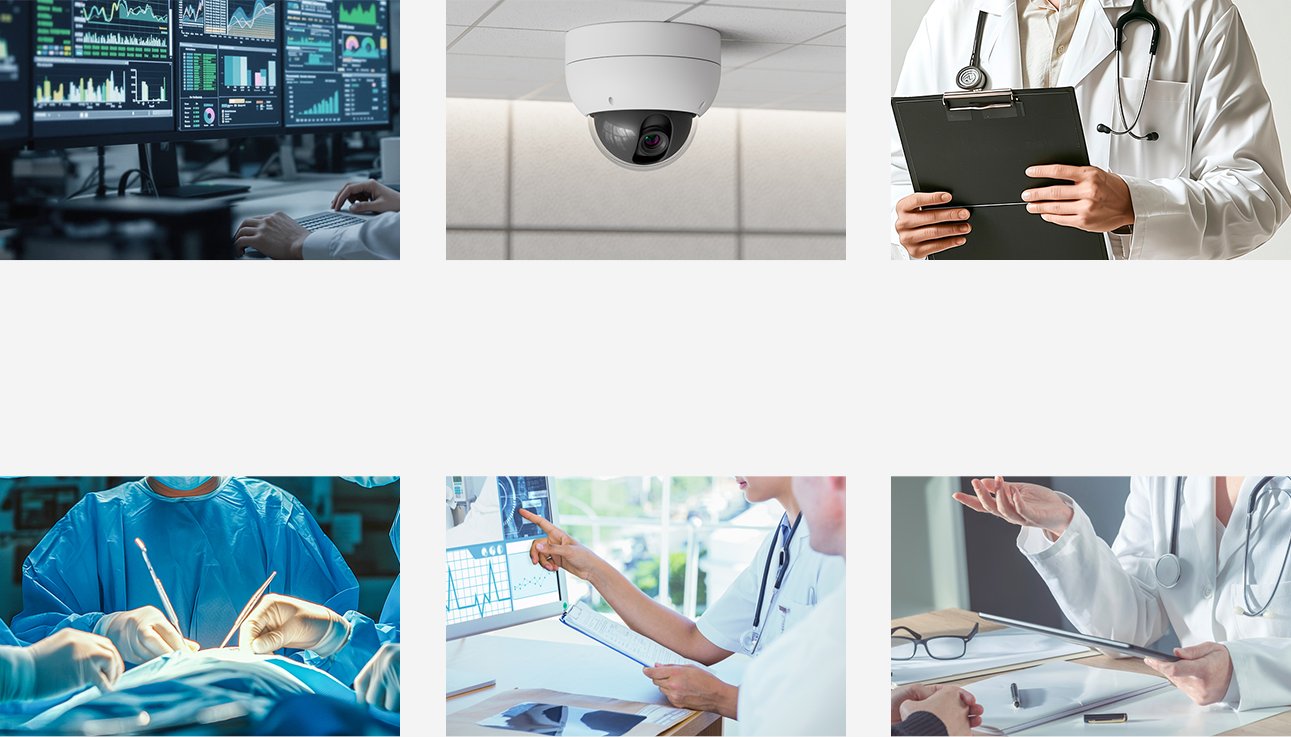
Real-time monitoring, operating room CCTV, surgeon accountability, resident anesthesiologist, accurate diagnosis, aftercare
  • Real-time monitoring

    A central monitoring system
    observes the patient's vital signs
    in real time during surgery

  • Operating room CCTV

    CCTV in the operating room
    increases transparency of the surgery
    and enables emergency response

  • Surgeon accountability

    Specialists in each field
    provide dedicated 1:1 care
    from consultation to post-op recovery

  • Resident anesthesiologist

    A systematic anesthesia system
    and an on-site anesthesiologist
    for safe, hygienic surgery

  • Accurate diagnosis & safety

    Safe surgical planning and
    accurate assessment of issues and
    improvements for higher satisfaction

  • Thorough aftercare

    Aftercare kit provided and
    partnership with Seoul St. Mary's Hospital
    for rapid response to emergencies

Before & After

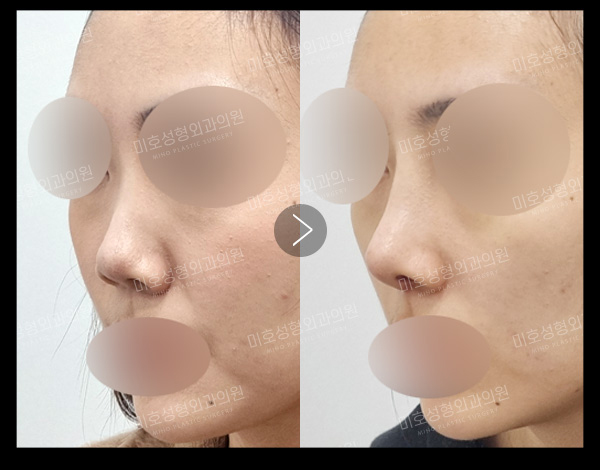
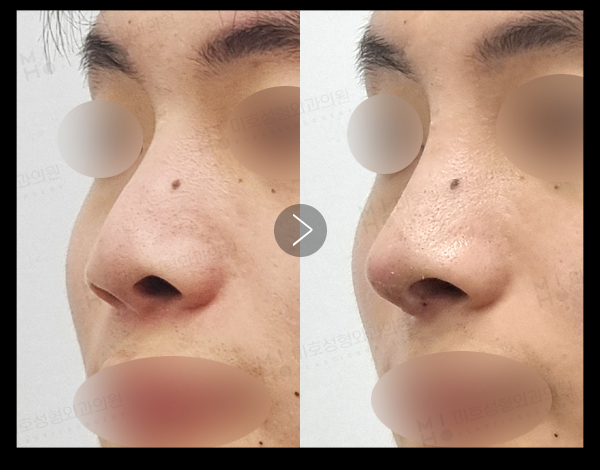
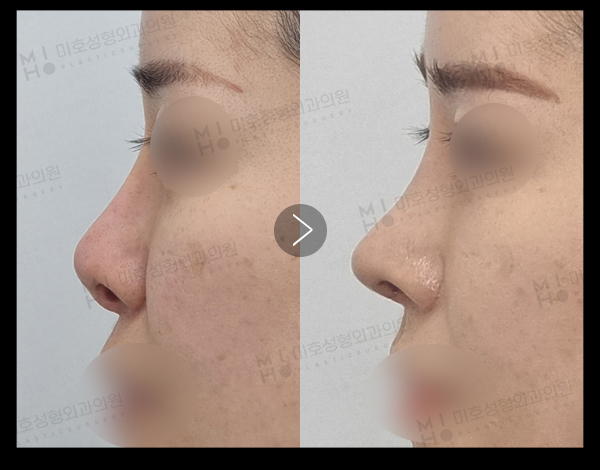
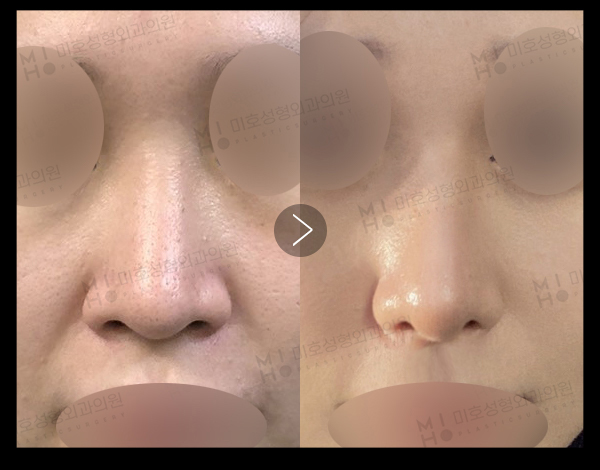
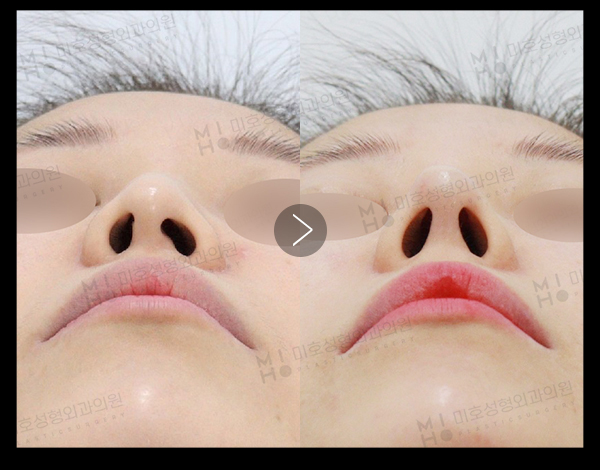
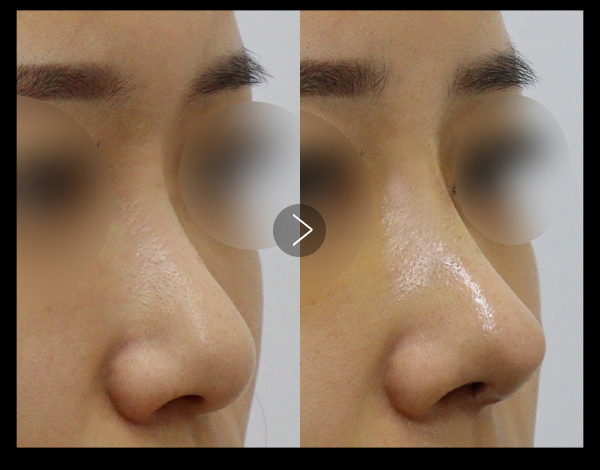
Nose surgery before and after
Nose surgery
 
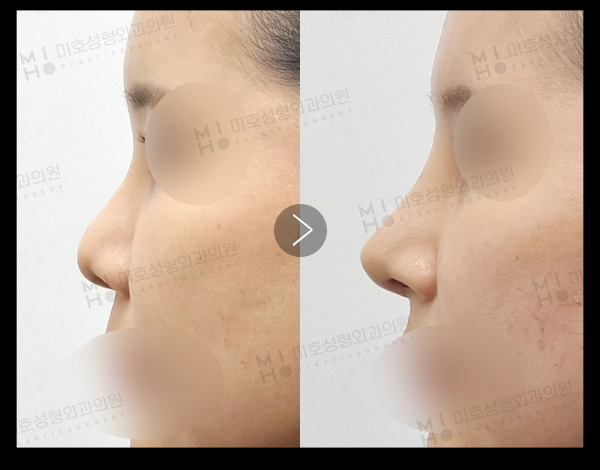
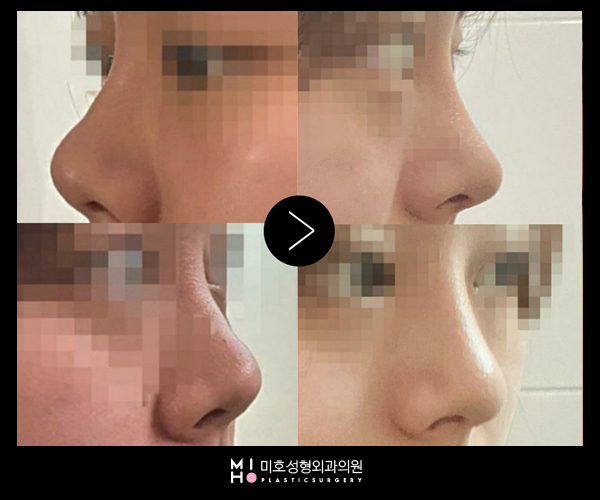
Revision Rhinoplasty Before and After
Revision Rhinoplasty
 
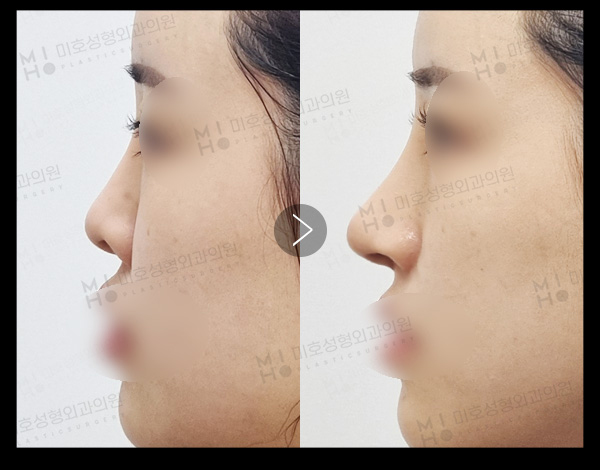
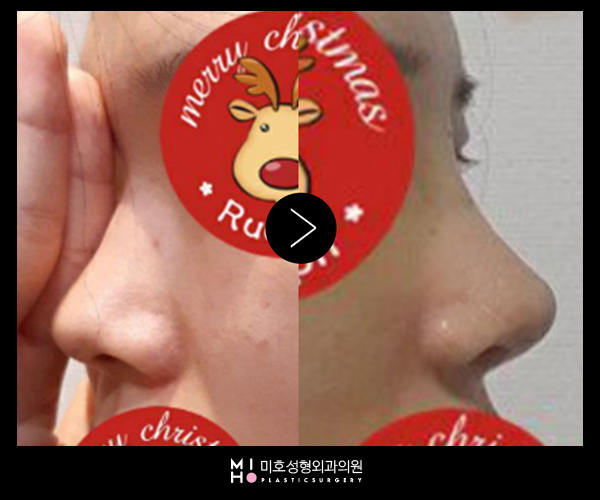
Revision Rhinoplasty Before and After
Revision Rhinoplasty
 
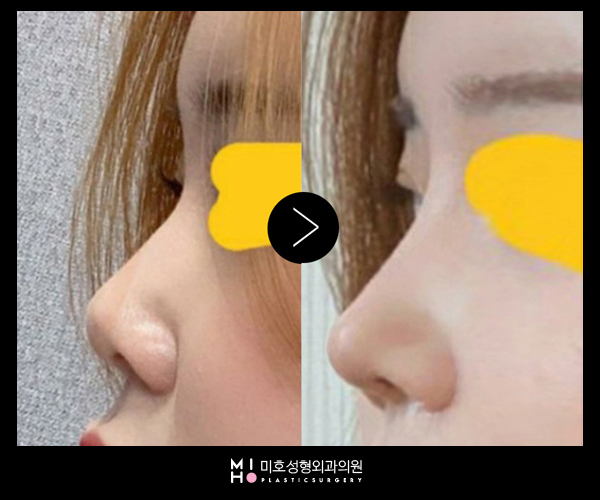
Revision rhinoplasty before and after
Revision rhinoplasty
 
Revision rhinoplasty before and after
Revision rhinoplasty
Revision rhinoplasty before and after
Revision rhinoplasty
 
Rhinoplasty (Revision) Before and After
Rhinoplasty (Revision)
 
Rhinoplasty (Revision) Before and After
Rhinoplasty (Revision)
 
Rhinoplasty before and after
Rhinoplasty
 
Rhinoplasty before and after
Rhinoplasty
Rhinoplasty before and after
Rhinoplasty
 
Rhinoplasty before and after
Rhinoplasty
 
Rhinoplasty before and after
Rhinoplasty
 
Rhinoplasty (Revision) Before and After
Rhinoplasty (Revision)
 
Rhinoplasty (Revision) 12 Before and After
Rhinoplasty (Revision)

Complications that can commonly occur after surgery, such as bleeding, infection and inflammation, vary in degree from person to person, so caution is required.

Quick Consultation

Choose a date you can visit
and we'll arrange your consultation quickly.

Select Preferred Date
Closed on Sundays and public holidays. "Full" means all slots are booked that day.
Please select a date first

I agree to the Privacy Policy.

View details


LOCATION

Map to MIHO Plastic Surgery near Sinnonhyeon Station Exit 3, Gangnam, Seoul

7–9F, HM Tower, 492 Gangnam-daero, Gangnam-gu, Seoul (Sinnonhyeon Station 3-min walk from Exit 3)

CUSTOMER CENTER

Main Number

02.595.5503

Hours

Mon – Fri

10:00 AM – 7:00 PM

Saturday

10:00 AM – 5:00 PM

Closed on Sundays and public holidays.

-->


Quick Consultation

Preferred date
Closed on Sundays and public holidays.

I agree to the Privacy Policy [View]

Contact Us

Find ID

Enter the name and email address you registered with.

RequiredName
RequiredEmail
Find Password

OK

Find Password

Enter the ID, name and email address you registered with.

RequiredID
RequiredName
RequiredEmail
Find ID

OK

Sign Up

Sign up with a few details to read patient surgery reviews.

Required fields
RequiredID
RequiredName
RequiredPassword 6–15 lowercase letters/numbers
RequiredConfirm Password
RequiredEmail

Your email is used if you forget your password.

RequiredMobile - -

Agree to Privacy Policy

1. Purpose of Collecting and Using Personal Information
1) Collection of personal information
We collect personal information only when you voluntarily and specifically enter it.
All information you provide is used only for the purposes below, and we will ask for your consent in advance if the purpose changes.

2) Purpose of use
- Clinic news and health information by email
- Reservation inquiries and member services

2. Information Collected
1) Required: ID, password, name, phone number, mobile number, email
2) Optional: email and SMS subscription

3. Retention Period
- Until you withdraw your membership or are removed as a member
However, even after the purpose has been achieved, we may retain your information where required by the Commercial Act or other laws.
- Records of consumer complaints or disputes: 3 years (Act on Consumer Protection in Electronic Commerce)
- Records of credit information collection, processing and use: 3 years (Credit Information Use and Protection Act)
- Identity verification records: 6 months (Information and Communications Network Act)
- Visit records: 3 months (Protection of Communications Secrets Act)

4. Refusal of Consent
You have been informed about the collection, use and provision of personal information at sign-up, and you may refuse.
However, if you refuse, sign-up may be restricted.
You may withdraw your consent to the collection, use and provision of personal information at any time.
You can withdraw by clicking "Withdraw" on My Page and verifying your identity, or
by contacting our privacy officer in writing, by phone or by fax, and we will promptly delete your information.

Submit Cancel

Edit Profile

You can change your password and email address.

Required fields
RequiredName
RequiredID
RequiredPassword 6–15 lowercase letters/numbers
RequiredConfirm Password
RequiredEmail

Your email is used if you forget your password.

Mobile - -

Save Changes Withdraw Membership Cancel