Silicone
An FDA-approved material that doesn't easily change shape over time
and is barely absorbed or degraded in the body, so inflammation is rare.
The most commonly used implant, it can be carved into the desired design.


LOGIN
JOIN
MIHO PLASTIC SURGERY
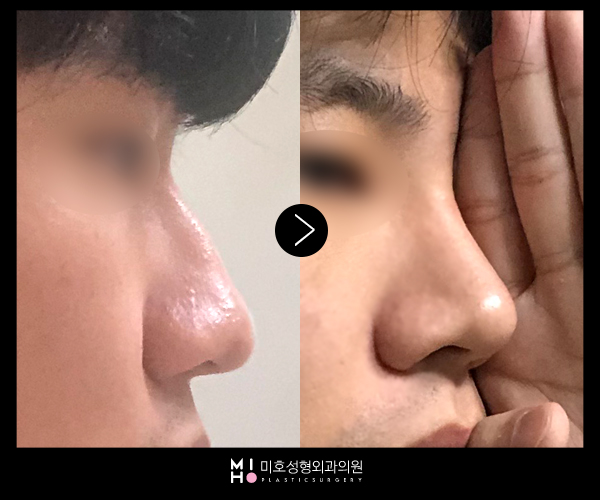
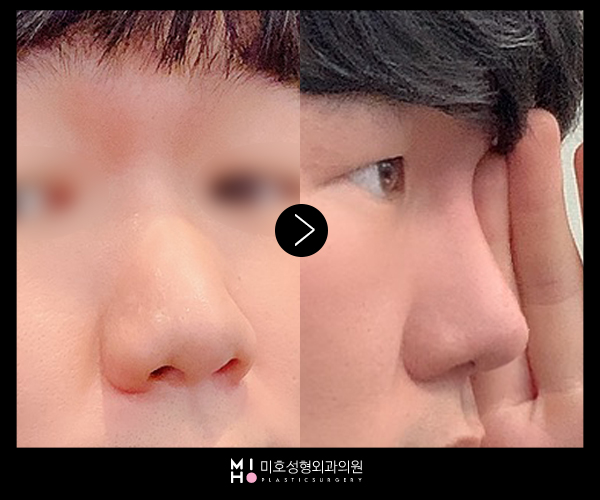
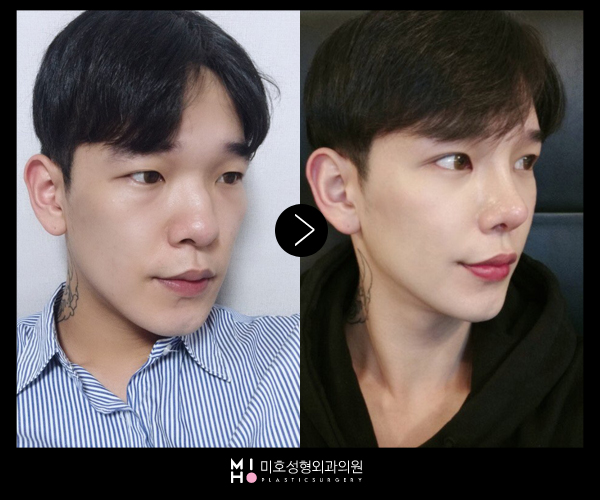
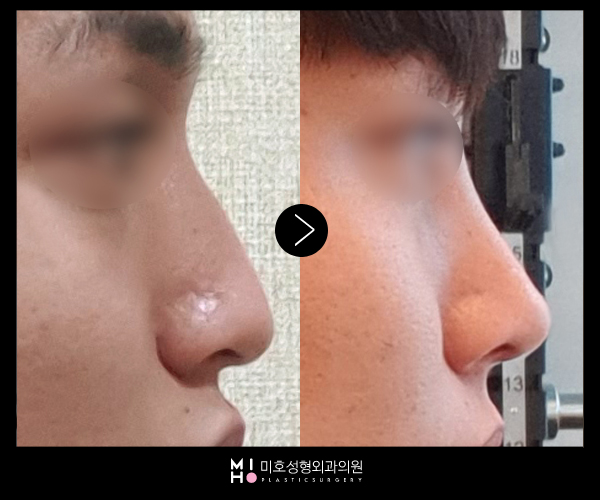
Man’s Nose Surgery
A defined T-zone, smooth bridge line and refined tip
for a more masculine image!
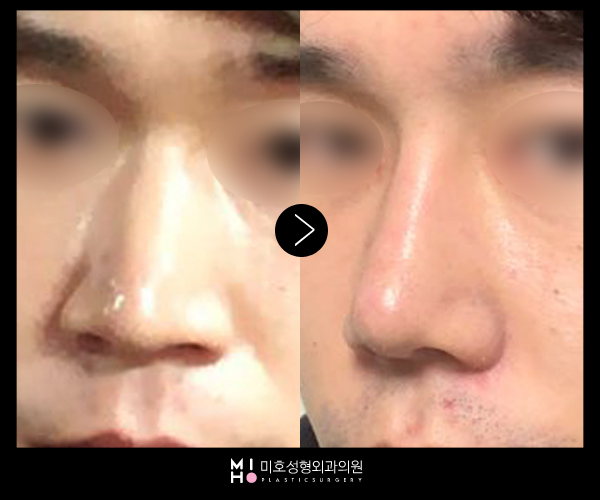
Results may vary depending on individual symptoms, condition and surgical method.
Because men's basic bone structure and skin thickness differ from women's,
male rhinoplasty needs a completely different approach from typical female rhinoplasty,
and is best done by doctors who understand male facial features well.
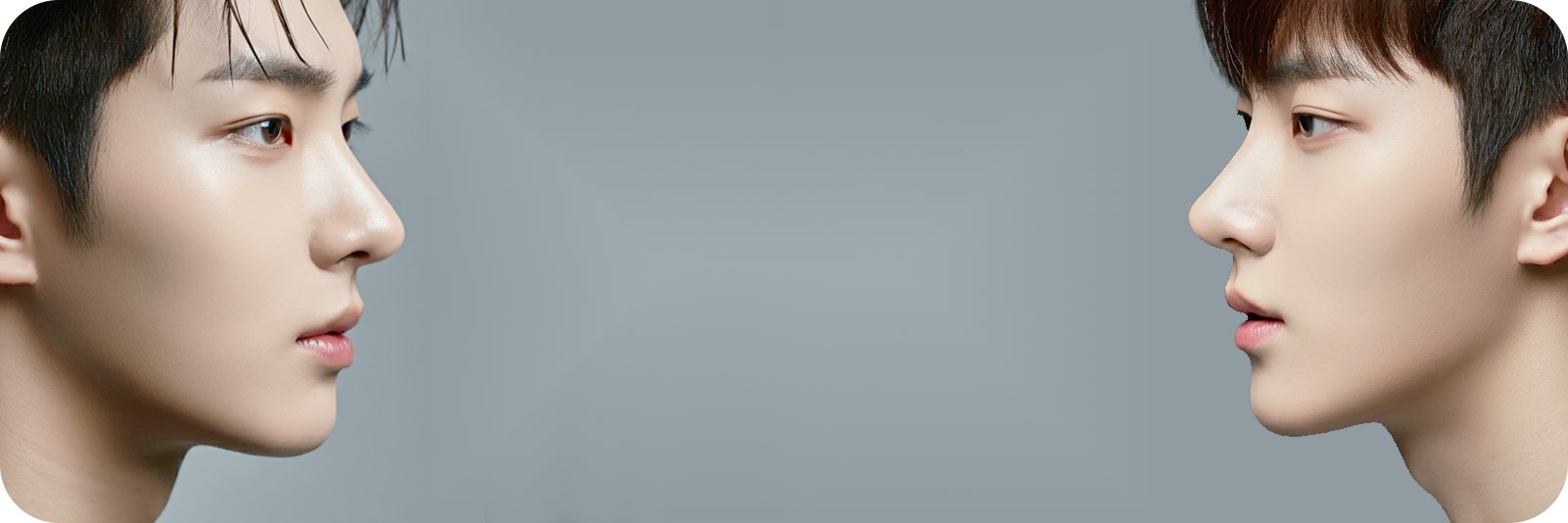
MIHO's male rhinoplasty considers the patient's needs and facial harmony:
If you prefer a manly look,
a natural line emphasizing the bridge—
the hump-style line;
if you prefer a gender-neutral look,
a natural line emphasizing the tip—
the straight line.
Surgery proceeds after a 3D implant is custom-made 1:1,
so satisfaction is very high.
Ideal line, bridge and tip are designed
according to each person's condition and needs.
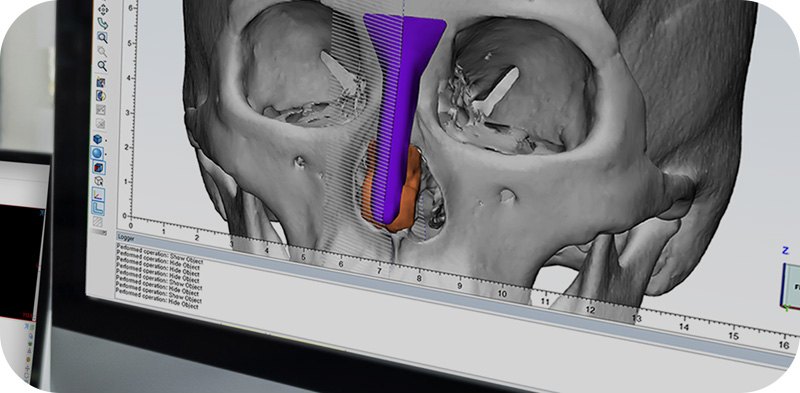
Using an FDA-approved 3D custom implant,
we create the nose line that suits you.
A masculine-looking nose has more length and thickness than a short nose,
and a slight hump makes it closer
to a more masculine shape.
With regular silicone, it's hard to bring out the fine details of the nose, but
with MIHO Plastic Surgery's rhinoplasty method that uses a 1:1 custom implant
made from CT data
through 3D customization,
rhinoplasty is possible for a masculine nose shape
that suits each person's face as above.
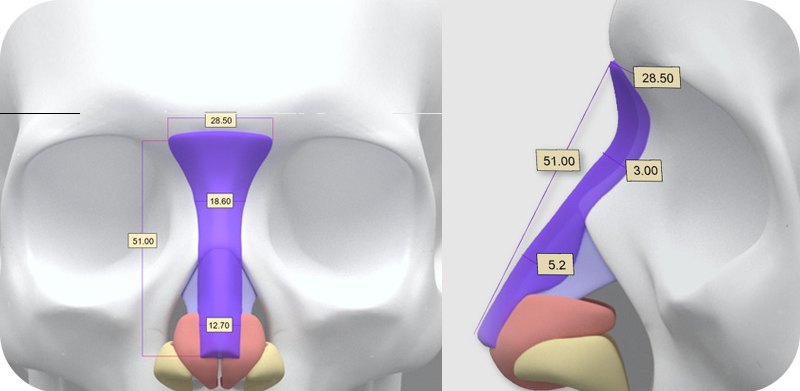
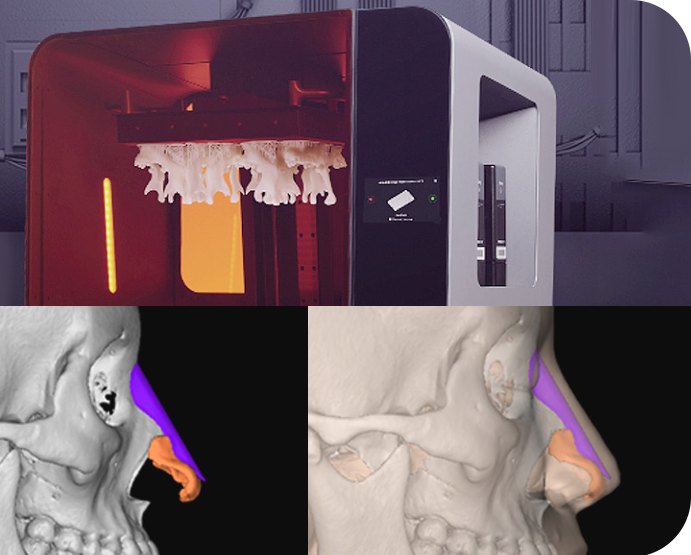
MIHO's male nose design, perfect from any angle




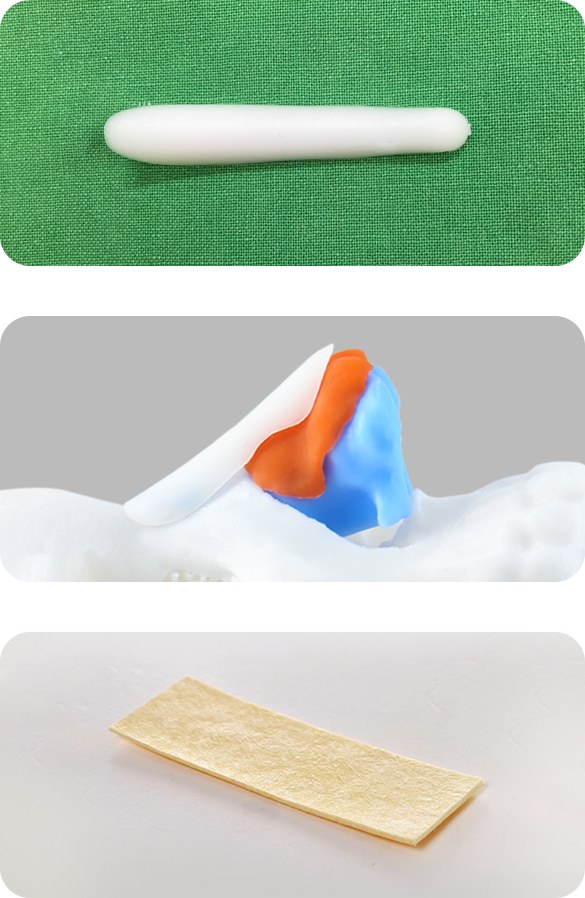
An FDA-approved material that doesn't easily change shape over time
and is barely absorbed or degraded in the body, so inflammation is rare.
The most commonly used implant, it can be carved into the desired design.
Unlike regular silicone hand-carved into an implant, this is custom-designed silicone made 1:1
from the patient's CT data using 3D customization; because it is tailored
to fit your nasal bone exactly,
side effects such as bending, show-through and lifting are minimized.
AlloDerm is a processed human skin material with the cellular components that cause immune rejection removed.
It is not easily absorbed over time, so it is widely used in rhinoplasty.
It is mainly used to raise the tip or to wrap a silicone implant when the bridge skin is thin,
for a natural look.
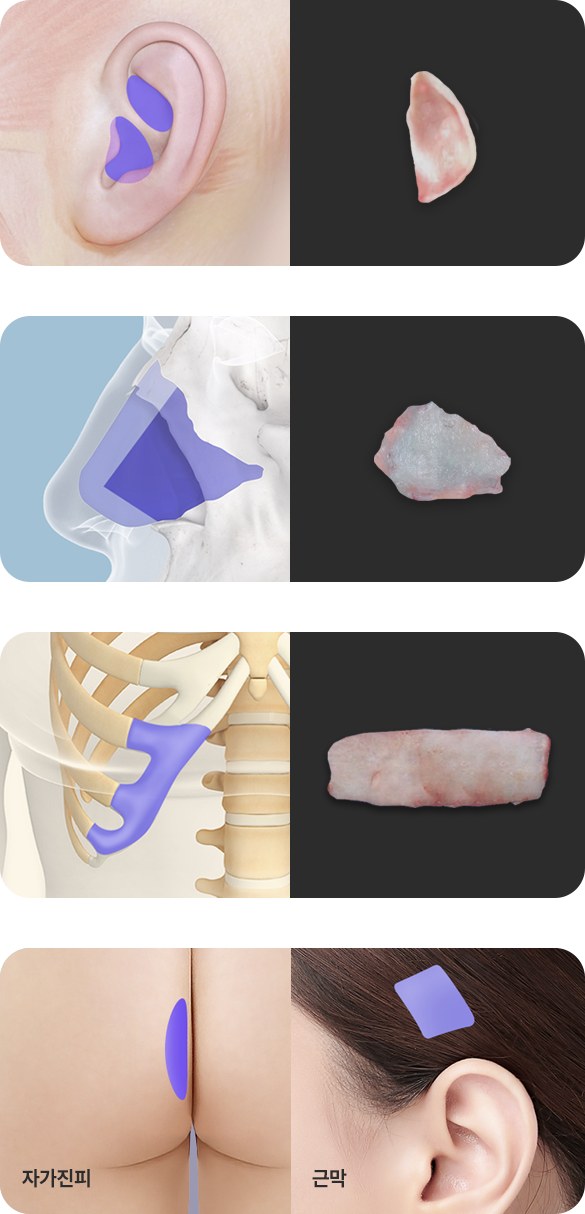
Ear cartilage is soft and good for naturally raising the tip,
and is also used to reconstruct the alar (lower lateral) cartilage.
Septal cartilage is mainly used to build support for the tip;
when raising the tip, it is best combined with dermis, soft tissue or ear cartilage.
Rib cartilage is widely used as it is the longest and straightest autologous
cartilage. Ribs 6–10 are mainly used.
Autologous dermis and fascia are used to minimize cartilage show-through at the tip or implant show-through
on the bridge, and can also be layered and used alone
on the bridge or tip.
3D-CT precision diagnosis assesses nasal bone width, asymmetry, fractures, humps and crookedness,
and can diagnose the position and shape of the septal cartilage and how bent it is.
Accurate analysis after precise diagnosis greatly helps choose the implant before surgery,
and if functional problems are found, health insurance may apply,
lowering costs along with the corrective effect.
※ Eligibility and coverage may vary depending on the terms of the indemnity insurance the patient has subscribed to.
During surgery, the various shapes
and sizes of the septal cartilage and
bone are precisely analyzed
For a deviated septum,
septoplasty is
performed at the same time
For inferior turbinate hypertrophy,
turbinate resection and
reduction are performed at the same time
MIHO Rhinoplasty
BEFORE NOTICE
Please be sure to tell us in advance about any adverse drug reactions, known medical conditions
or history of general anesthesia. (high blood pressure, diabetes, lung disease, heart disease, hepatitis, etc.)
Stop alcohol, smoking and all forms of medication from 1 week before surgery.
If you take any medication, please let us know in advance. (aspirin, diet pills, red ginseng, sleeping pills, etc.)
Depending on the anesthesia, do not eat or drink anything, including water,
for 6 hours before surgery (8 hours for general anesthesia).
On the day of surgery, wear comfortable clothes and bring a hat,
scarf or sunglasses to protect the treated area.
If you need to take blood pressure or diabetes medication, please tell your coordinator or doctor
AFTER NOTICE
Some blood may seep from the surgical site for 1–2 days after surgery.
Gently wipe any discharge with gauze or clean tissue,
and do not insert anything into the nose or pinch and blow it.
Use the compress pack provided by the clinic for cold compresses for 3 days,
then alternate cold and warm compresses from day 3.
The first 3 days after surgery are the swelling period, so keeping your head elevated
when reclining or sleeping helps minimize swelling and bruising.
Do not wear glasses for 4–6 weeks after surgery.
You may wash your face and wear makeup on the treated area from the day after stitch removal.
Take the medication prescribed by the clinic after meals.
Smoking and drinking slow recovery. Please abstain for at least 4 weeks.
We don't just pursue aesthetic beauty;
we consider each patient's facial features and function.
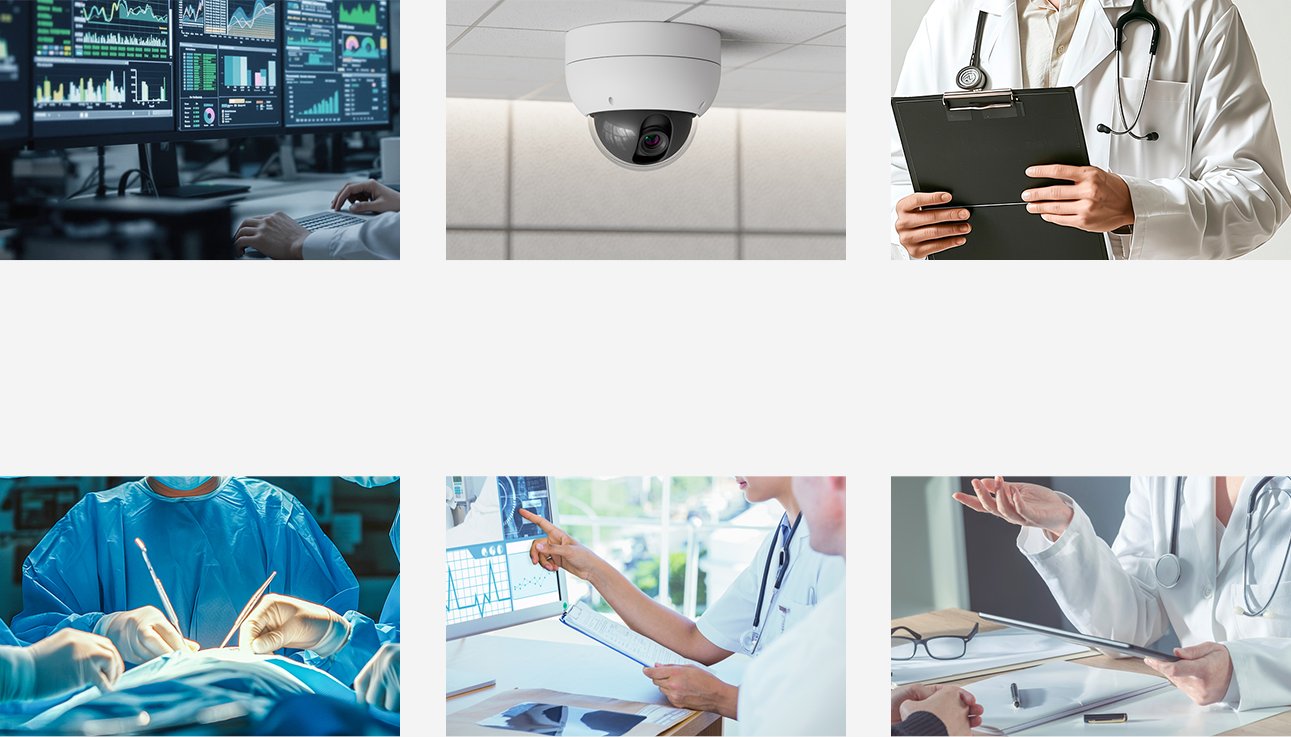
A central monitoring system
observes the patient's vital signs
in real time during surgery
CCTV in the operating room
increases transparency of the surgery
and enables emergency response
Specialists in each field
provide dedicated 1:1 care
from consultation to post-op recovery
A systematic anesthesia system
and an on-site anesthesiologist
for safe, hygienic surgery
Safe surgical planning and
accurate assessment of issues and
improvements for higher satisfaction
Aftercare kit provided and
partnership with Seoul St. Mary's Hospital
for rapid response to emergencies
Complications that can commonly occur after surgery, such as bleeding, infection and inflammation, vary in degree from person to person, so caution is required.
Quick Consultation
Choose a date you can visit
and we'll arrange your consultation quickly.
LOCATION

7–9F, HM Tower, 492 Gangnam-daero, Gangnam-gu, Seoul (Sinnonhyeon Station 3-min walk from Exit 3)
CUSTOMER CENTER
Main Number
02.595.5503
Hours
Mon – Fri
10:00 AM – 7:00 PM
Saturday
10:00 AM – 5:00 PM
Closed on Sundays and public holidays.
Quick Consultation